Parallel Operation of Generators: when it is necessary
Home >
Blog >
Parallel Operation of Generators: when it is necessary
Modern businesses, manufacturing facilities, and critical infrastructure increasingly depend on stable power supply. Even a short-term power outage can lead to financial losses, equipment downtime, or the shutdown of important processes. That is why many companies use not one but several generators simultaneously. Parallel operation of generators makes it possible to create a more flexible, reliable, and efficient backup or primary power system.
What Is parallel operation of generators
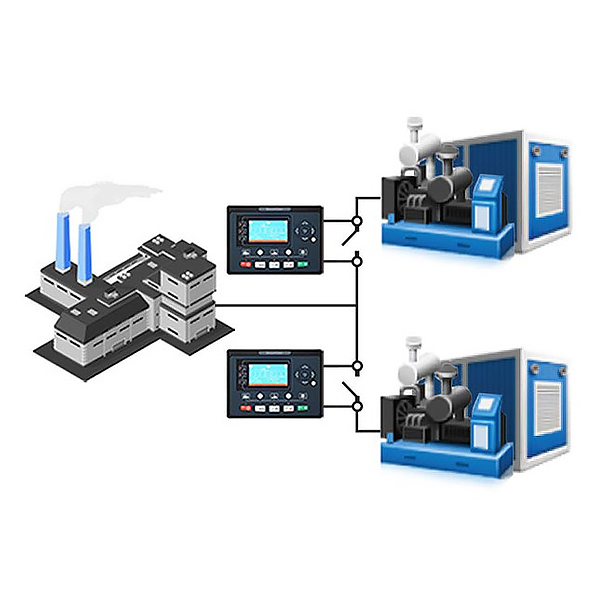
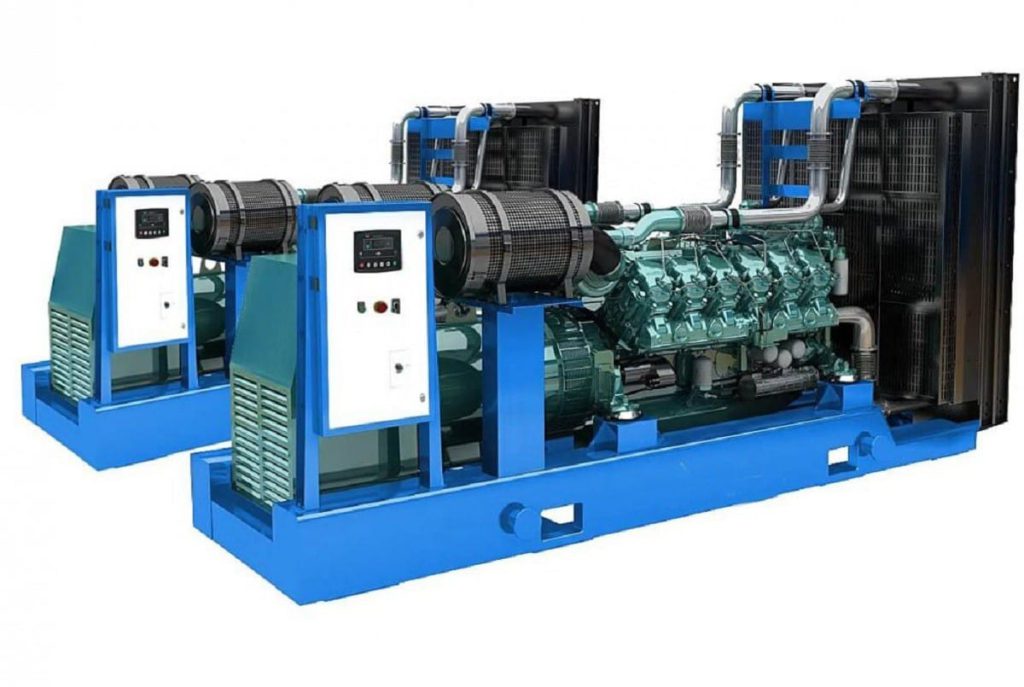
Parallel operation refers to the functioning of two or more generator units that are synchronized with each other and simultaneously supply power to a single electrical network. In such a system, the load is evenly distributed among all units, making the entire power system more stable.
This solution is most commonly used by large enterprises, data centers, medical institutions, agricultural facilities, construction sites, and industrial complexes. Parallel systems have become especially relevant in times of unstable energy supply when backup power is critically important.
When parallel operation of generators is truly necessary
1. Insufficient capacity of a single generator
One of the most common reasons is the need for high power capacity. For example, if a facility consumes hundreds of kilowatts of electricity, purchasing one ultra-powerful generator may be too expensive or technically impractical. In this case, several smaller units can work together to provide the required amount of electricity.
This is why industrial generators are often combined into a single system. It allows companies to scale their power supply without completely upgrading the entire infrastructure.
2. Improved system reliability
If one generator fails, the others continue operating. This is critically important for businesses with continuous production cycles. Equipment redundancy significantly reduces the risk of complete power loss.
This is especially relevant for hospitals, server centers, telecommunications hubs, and logistics facilities, where even a few minutes without electricity can cause serious problems.
3. Variable network load
At many facilities, electricity consumption changes throughout the day. During peak hours, additional generators are connected, while during lower demand periods, some units are turned off.
This approach helps save fuel and reduces equipment wear. That is why diesel generators in parallel systems often operate alternately depending on the current load.
Main advantages of parallel generator operation
1. Flexible scalability
The system can easily adapt to increasing electricity demand. If a business expands, another generator can simply be added without replacing existing equipment.
For businesses, this is a major advantage because there is no need to immediately invest in an oversized power plant with excess capacity for the future.
2. Fuel savings
When the load is low, the system can operate using only part of the generators. This helps reduce fuel consumption and improve operational efficiency.
Modern diesel generators perform best under optimal load conditions. If a generator constantly runs idle or under minimal load, it negatively affects both fuel efficiency and engine lifespan.
3. Reduced equipment wear
During parallel operation, the load is distributed evenly among all units. As a result, each generator operates under more comfortable conditions, extending engine life.
In addition, maintenance can be performed gradually without shutting down the entire power supply system.
4. High level of automation
Modern industrial generators support automatic synchronization, load control, and backup module startup. The system independently determines the required number of active units and quickly responds to changes in the network.
This is particularly important for facilities where human error may create additional risks.
Which generators are suitable for parallel operation
For synchronized operation, equipment must have the appropriate technical characteristics and control systems. Most often, diesel generators are used for such tasks because they offer high reliability, durability, and stable performance under load.
Synchronization automation also plays a crucial role. It controls:
current frequency;
voltage;
phase;
even load distribution;
correct connection to the network.
Without a high-quality control system, parallel generator operation may become unstable or even dangerous for the equipment.
Where parallel generator systems are most commonly used
Today, such solutions are actively used in many industries:
industrial enterprises;
agricultural sector;
shopping centers;
hospitals;
data centers;
construction sites;
warehouses and logistics complexes;
hotels;
critical infrastructure facilities.
Industrial generators have become especially popular in conditions of increased risk of power outages. Businesses strive to achieve maximum energy independence and avoid financial losses caused by downtime.
Why proper system design matters
Errors in configuring parallel operation can lead to network overloads, unstable voltage, or equipment failure. That is why such systems should be designed by experienced professionals.
It is important to consider:
total load;
peak starting currents;
type of consumers;
power reserve;
automation features;
future system expansion.
A properly designed system ensures uninterrupted facility operation even under difficult operating conditions.
Parallel operation of generators is a modern solution for facilities that require stable, flexible, and reliable power supply. This approach allows businesses to scale capacity, save fuel, reduce equipment load, and minimize the risks of emergency outages.
That is why diesel generators combined into a single system are increasingly used in both industrial and commercial sectors. For companies seeking energy independence and operational stability, a parallel configuration is one of the most effective solutions available today.
How to choose a reliable generator supplier in Ukraine
When electricity is essential for the uninterrupted operation of a business, production facility, office, or private home, a generator becomes more than just additional equipment — it becomes part of the power supply system. The reliability of the generator affects equipment operation, product safety, people’s comfort, and even the safety of certain processes. However, choosing […]
Generator for a farm: key selection considerations
For a farm, electricity is not just a matter of comfort but an essential condition for stable operations. Pumps, ventilation systems, refrigeration equipment, lighting, automation systems, grain dryers, and other machinery can operate only with a reliable power supply. A prolonged power outage can disrupt production processes, lead to product spoilage, and cause financial losses. […]
How to choose a generator for a private house with solar panels
Solar panels allow a private house to partially or fully cover its electricity needs without constant dependence on the grid. However, even a well-designed solar power system has its limitations. At night, there is no solar generation, panel output decreases in cloudy weather, and in winter, daylight hours are significantly shorter. If electricity is needed […]



 Kyiv
Kyiv
