Home >
Blog >
Generator Lifespan: What it depends on
In today’s world, generators have become an essential part of both everyday life and business operations. They provide stable power during outages and often serve as the main energy source for enterprises. However, like any piece of equipment, generators have their own lifespan, which can vary significantly depending on operating conditions, regular maintenance, and the proper choice of equipment.
In this article, we’ll explore what affects a generator’s durability, why generator servicing is crucial, and how to extend the lifespan of your equipment — especially when it comes to industrial generators.
Key Factors Affecting a Generator’s Lifespan
1. Equipment Quality
The reliability and longevity of a generator directly depend on its design, material quality, and manufacturer. Well-known brands specializing in industrial generators usually use high-quality components designed to withstand long-term heavy loads.
2. Proper Power Selection
One of the most common reasons for premature generator wear is running it at maximum capacity. If a generator constantly operates under overload, its lifespan is significantly reduced. When choosing a generator, it’s important to calculate your total energy consumption and add a 20–30% power reserve. This applies to both household models and large industrial generators.
3. Operating Conditions
Dust, humidity, temperature fluctuations, and improper installation can negatively impact generator performance. For units operating outdoors, it’s essential to provide proper weather protection and install ventilation systems to prevent overheating.
4. Fuel Type and Quality
Using low-quality fuel leads to carbon buildup, clogged fuel systems, and accelerated engine wear. This is especially critical for industrial generators that often operate for long periods without interruption. It’s recommended to use fuel that meets the manufacturer’s specifications.
5. Regular Generator Servicing
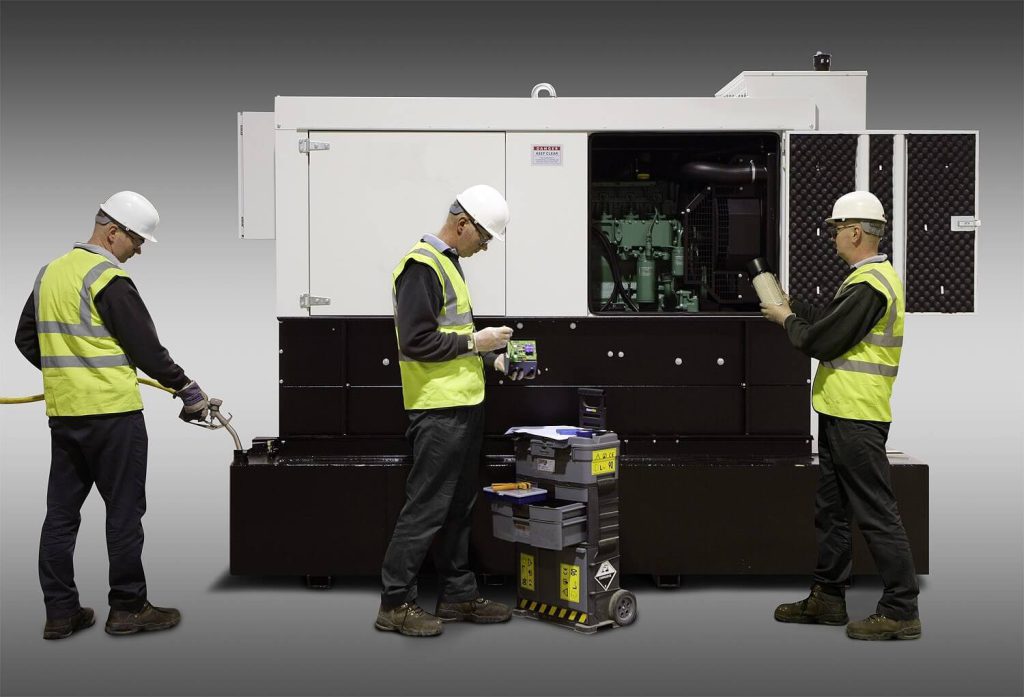
This is one of the most important factors influencing a generator’s durability. Timely oil changes, filter replacements, spark plug inspections, battery checks, and cooling system maintenance help prevent unexpected breakdowns. For industrial generators running continuously, it’s best to establish a personalized maintenance schedule and conduct diagnostics after every few hundred operating hours.
Average Generator Lifespan
Household generators — with proper care, they last 5–10 years or around 1,500–3,000 operating hours.
Professional generators — typically serve 10–15 years and handle 5,000–10,000 operating hours.
Industrial generators — with regular generator servicing, they can operate for 15–20 years or more, especially when paired with automatic load management systems.
Even the most expensive equipment requires proper care. Skipping preventive maintenance can cut a generator’s lifespan in half.
Use high-quality fuel — it minimizes breakdown risks and extends operational life.
Avoid overloading the unit — always leave a power reserve.
Control operating conditions — protect the generator from moisture, dust, and overheating.
Run the generator regularly even during idle periods to prevent starting issues later.
A generator’s lifespan depends on many factors: equipment quality, operating conditions, fuel type, and maintenance frequency. This is especially true for industrial generators, which often work under heavy loads. If you want your generator to last as long as possible, don’t neglect generator servicing. Regular preventive maintenance and proper usage will help you avoid costly repairs and ensure a stable power supply for years to come.
How to choose a reliable generator supplier in Ukraine
When electricity is essential for the uninterrupted operation of a business, production facility, office, or private home, a generator becomes more than just additional equipment — it becomes part of the power supply system. The reliability of the generator affects equipment operation, product safety, people’s comfort, and even the safety of certain processes. However, choosing […]
Generator for a farm: key selection considerations
For a farm, electricity is not just a matter of comfort but an essential condition for stable operations. Pumps, ventilation systems, refrigeration equipment, lighting, automation systems, grain dryers, and other machinery can operate only with a reliable power supply. A prolonged power outage can disrupt production processes, lead to product spoilage, and cause financial losses. […]
How to choose a generator for a private house with solar panels
Solar panels allow a private house to partially or fully cover its electricity needs without constant dependence on the grid. However, even a well-designed solar power system has its limitations. At night, there is no solar generation, panel output decreases in cloudy weather, and in winter, daylight hours are significantly shorter. If electricity is needed […]



 Kyiv
Kyiv
