Home >
Blog >
How to Store a Generator in Summer: Expert Tips
The summer period is often seen as a time when the need for backup power decreases. Outages are less frequent, and the grid load is more stable, so many owners put their generators “on hold” until better times. However, improper storage of equipment during the warm season can lead to serious problems when it is needed again. To avoid unpleasant surprises, it is important to follow simple but essential recommendations.
Why proper storage matters
A generator is a complex mechanism that is sensitive to temperature, humidity, and fuel quality. Even when not in use, internal processes can still occur that negatively affect its condition: metal oxidation, oil degradation, and condensation buildup.
This is especially important when dealing with industrial generators, which have higher power output and a more complex design. Their repair is significantly more expensive, so prevention is always more cost-effective.
Preparing the generator for summer storage
Before leaving the equipment idle for an extended period, basic preparation is necessary. It doesn’t take much time but has a significant impact on future performance.
Cleaning and inspection
First, the generator should be cleaned from dust, dirt, and oil residues. External contamination can retain moisture, which promotes corrosion. After cleaning, carefully inspect the casing, connections, and cables for any damage.
Oil replacement or check
Even if the oil has not yet reached the end of its service life, its condition should be evaluated. Contaminated or aged oil loses its properties and can damage the engine during the first start after storage.
Fuel handling
Fuel is one of the most vulnerable elements during storage. If the generator will remain unused for a long period, it is better to drain the fuel or use stabilizers. This helps prevent sediment formation and system clogging.
This rule applies to both diesel generators and gas generators, although the latter are less sensitive to fuel degradation.
Storage conditions: what to consider
The storage location plays a crucial role.
Dryness — humidity is the main enemy of metal components;
Temperature — avoid sudden fluctuations;
Ventilation — prevents condensation buildup;
Dust protection — use covers or protective enclosures.
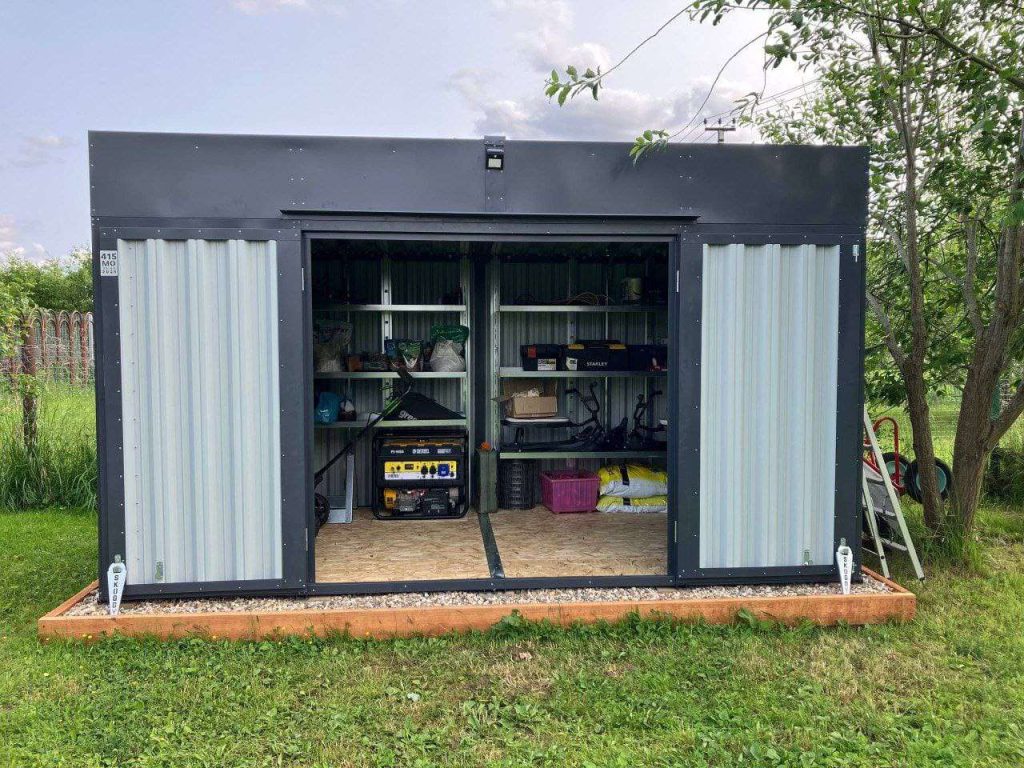
If the equipment is stored outdoors, a canopy or protective container is essential.
Should you run the generator in summer?
Even during downtime, a generator should not be left completely unattended. Experts recommend starting it periodically — about once every 3–4 weeks.
A short run helps:
maintain engine working condition;
lubricate internal components;
check system functionality.
This is especially important for users of home generators, as the equipment must be ready to operate immediately when needed, without additional setup.
Battery and electronics
Another important aspect is the battery condition. During long inactivity, it may discharge, making startup difficult.
Simple recommendations:
regularly check the charge level;
recharge the battery if necessary;
disconnect it if the generator will not be used for a long time.
It is also important to check electronic control systems, especially in modern automated models.
Common storage mistakes
Even experienced users sometimes make mistakes that reduce equipment lifespan:
storing with a full fuel tank without stabilizer;
ignoring cleaning before storage;
skipping periodic startups;
storing in humid or dusty environments.
All these factors may result in the generator failing to start when it is needed most.
Proper summer storage of a generator is not a complicated process, but a set of simple actions that significantly affect durability and reliability. Whether you use a generator at home or in industrial settings, regular care and attention to detail help avoid unnecessary costs and technical issues.
By preparing your generator in advance, you ensure it is ready for operation at any time — without risks, delays, or unexpected breakdowns.
How to choose a reliable generator supplier in Ukraine
When electricity is essential for the uninterrupted operation of a business, production facility, office, or private home, a generator becomes more than just additional equipment — it becomes part of the power supply system. The reliability of the generator affects equipment operation, product safety, people’s comfort, and even the safety of certain processes. However, choosing […]
Generator for a farm: key selection considerations
For a farm, electricity is not just a matter of comfort but an essential condition for stable operations. Pumps, ventilation systems, refrigeration equipment, lighting, automation systems, grain dryers, and other machinery can operate only with a reliable power supply. A prolonged power outage can disrupt production processes, lead to product spoilage, and cause financial losses. […]
How to choose a generator for a private house with solar panels
Solar panels allow a private house to partially or fully cover its electricity needs without constant dependence on the grid. However, even a well-designed solar power system has its limitations. At night, there is no solar generation, panel output decreases in cloudy weather, and in winter, daylight hours are significantly shorter. If electricity is needed […]



 Kyiv
Kyiv
