Signs that your generator needs repair
Home >
Blog >
Signs that your generator needs repair
A diesel generator is a complex piece of equipment that often serves as the backbone of uninterrupted power for businesses, manufacturing facilities, healthcare institutions, and commercial properties. Any malfunction can lead to costly downtime, financial losses, and even damage to connected equipment. That is why it is essential to recognize the early warning signs of potential problems and address them before they become major failures. This is especially important when using industrial generators, which typically operate under heavy loads and are often required to run continuously.
Why you shouldn’t delay generator repairs
Most serious generator failures begin with small, seemingly insignificant symptoms. Unusual noises, increased fuel consumption, or difficulty starting may appear minor, but they often indicate worn components or hidden mechanical issues.
Continuing to operate a generator in poor condition increases the risk of engine damage, alternator failure, cooling system problems, or fuel system malfunctions. As a result, repair costs can become significantly higher than they would have been if the issue had been addressed early.
The generator is difficult to start
One of the first signs of trouble is difficulty starting the engine. If your generator no longer starts on the first attempt or requires extended cranking, it is time for a professional inspection.
Common causes include:
- A weak or failing battery;
- Contaminated fuel system;
- Faulty fuel pump;
- Worn fuel injectors;
- Defective glow plugs (on diesel engines);
- Low engine compression.
The sooner the problem is diagnosed, the faster and less expensive the repair will be.
Unusual noise or excessive vibration
A properly functioning generator should operate smoothly. If you notice knocking, grinding, squealing, or excessive vibration during operation, it may indicate:
- Loose mounting hardware;
- Damaged bearings;
- Rotor imbalance;
- Cooling fan failure;
- Worn engine components.
Ignoring these symptoms can result in severe mechanical damage and costly repairs.
Increased fuel consumption
A noticeable increase in diesel fuel consumption without a corresponding increase in electrical load is another warning sign.
Possible causes include:
- Fuel system malfunction;
- Clogged fuel or air filters;
- Improperly adjusted fuel injectors;
- Turbocharger issues;
- Poor-quality fuel.
Timely diagnostics can reduce operating costs while preventing expensive component failures.
The generator is overheating
Engine overheating should never be ignored. If the generator shuts down automatically due to high temperature or consistently operates above the normal range, inspect the following:
- Coolant level;
- Radiator condition;
- Cooling fan operation;
- Water pump;
- Thermostat.
Overheating is one of the most dangerous problems because it can permanently damage engine components.
Unusual exhaust smoke
The color of the exhaust smoke provides valuable information about the condition of the generator.
Black smoke often indicates excessive fuel delivery or insufficient airflow.
Blue smoke usually means engine oil is entering the combustion chamber.
White smoke may indicate cooling system problems, low engine compression, or incomplete fuel combustion.
Any noticeable change in exhaust color should be treated as a reason for immediate inspection.
Unstable power output
If lights begin to flicker, protective devices trip unexpectedly, or connected equipment operates erratically, the generator may not be producing stable voltage.
Potential causes include:
- Automatic Voltage Regulator (AVR) failure;
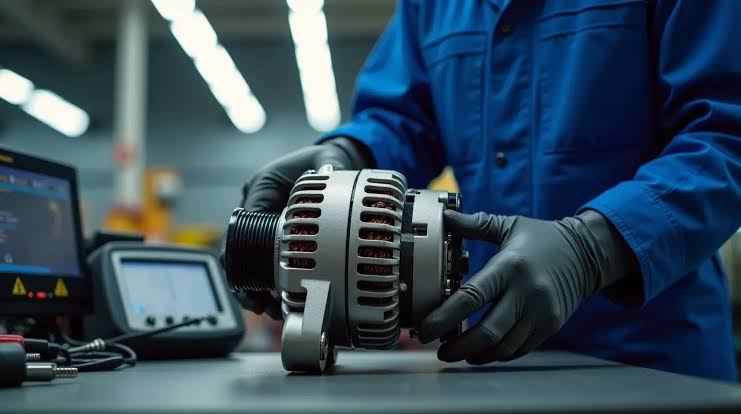
- Alternator problems;
- Worn brushes;
- Damaged windings;
- Loose or faulty electrical connections.
Voltage fluctuations are particularly dangerous for servers, medical equipment, sensitive electronics, and automated systems.
Oil or coolant leaks
Any signs of fluid leakage underneath the generator should never be ignored.
Leaks may result from:
- Worn seals;
- Damaged hoses;
- Loose clamps;
- Cracked housings;
- Failed gaskets.
Even a small leak can eventually lead to serious engine damage if left unaddressed.
Frequent emergency shutdowns
If the generator repeatedly enters emergency shutdown mode, the protection system is detecting critical operating conditions.
Common reasons include:
- Overloading;
- Overheating;
- Low oil pressure;
- Fuel system issues;
- Electrical faults.
Ignoring these warning signals may ultimately result in major engine repairs or complete equipment failure.
How to prevent costly breakdowns
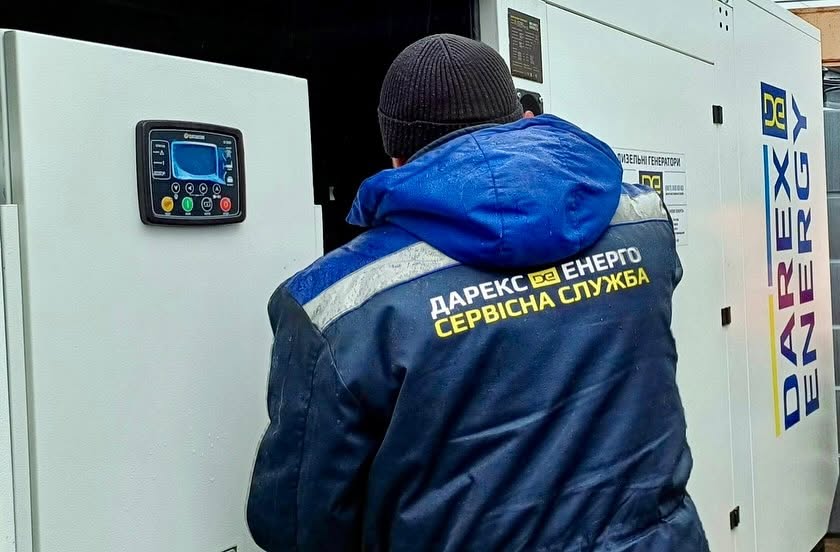
The best way to maximize generator reliability is through regular generator maintenance service. Scheduled oil and filter changes, coolant replacement, electrical inspections, protection system testing, and professional diagnostics help identify potential issues long before they develop into expensive failures.
Routine maintenance is particularly important for generators that serve as primary or backup power sources for manufacturing facilities, construction sites, warehouses, data centers, hospitals, and other mission-critical operations.
Generator failures rarely happen without warning. In most cases, the equipment provides clear signs that something is wrong, including difficult starting, unusual noises, overheating, increased fuel consumption, unstable voltage, or fluid leaks. Paying attention to these symptoms and scheduling timely repairs can prevent costly downtime and extend the life of your equipment. Regular inspections and professional maintenance ensure safe, reliable, and efficient generator performance, regardless of operating conditions.
Share 
you may also be interested in



 Kyiv
Kyiv
