Generator or UPS: which is more economical for the home
Home >
Blog >
Generator or UPS: which is more economical for the home
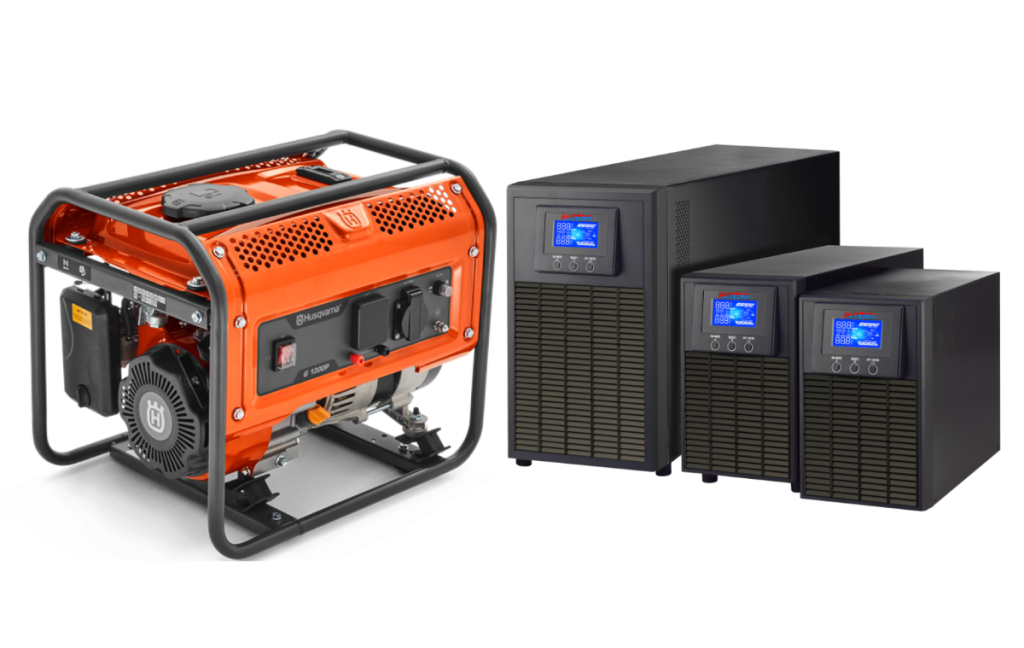
Periodic power outages make owners of private houses and apartments think about backup power sources. The most popular solutions are a generator or an uninterruptible power supply (UPS). Both options serve the same purpose — to supply critically important devices with electricity — but they do it in different ways and with different costs. So which is actually more economical for the home?
How a UPS works and who it is suitable for
An uninterruptible power supply stores energy in built-in batteries and instantly delivers it when voltage disappears. Its main advantage is full automation: the power goes out, but appliances continue working without interruption. A UPS is ideal for computers, servers, gas boilers, and security systems.
However, from an economic point of view, a UPS has its limitations. Batteries have limited capacity, so long-term power supply for an entire house is impossible. In addition, batteries need to be replaced periodically, which creates extra expenses. A UPS is economical only for short outages and small loads.
When it is beneficial to use a generator
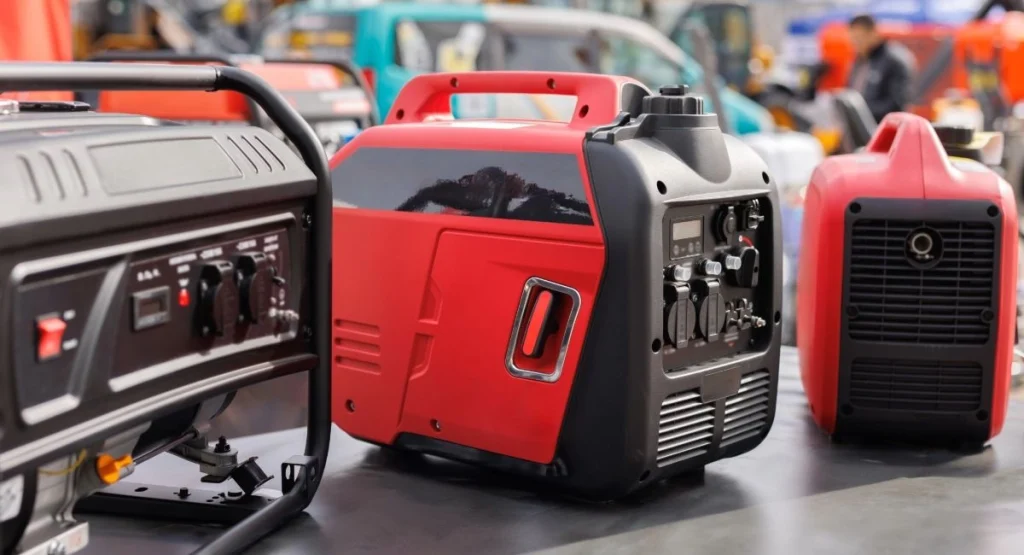
A generator produces electricity on its own using fuel. Its main advantage is unlimited operating time (as long as fuel is available). That’s why generators are the best option for long or frequent power outages.
There are several types of generators. The most affordable are gasoline generators — they are cheaper to purchase, quieter, more compact, and suitable for occasional use. For long-term operation, gas generators become more economical, since gas is usually cheaper than gasoline, and the equipment operates more stably and requires less maintenance.
Cost-effectiveness: what to consider
The cost-effectiveness of backup power consists of several factors:
initial equipment cost
fuel expenses or battery replacement costs
frequency and duration of outages
power of connected devices
A UPS is beneficial where electricity disappears for 10–30 minutes and it is necessary to maintain the operation of a computer or boiler. If a house remains without power for hours or days, the UPS will discharge quickly, and the generator becomes the only correct solution.
Which option is more economical for the home?
In the long term, the generator wins in most cases. It does not depend on battery capacity and can power the entire house. For rare and short outages, installing a UPS is reasonable, but with regular power interruptions it is more profitable to invest in a generator.
Gasoline generators are optimal for periodic use. Gas generators are the most economical for long operation and heavy loads.
The choice between a generator and a UPS depends not only on price, but also on your living conditions. If outages are short and rare, a UPS will ensure comfort and protect your equipment. But if you are preparing for prolonged autonomous home operation, a generator will become a truly economical and reliable solution.
How to choose a reliable generator supplier in Ukraine
When electricity is essential for the uninterrupted operation of a business, production facility, office, or private home, a generator becomes more than just additional equipment — it becomes part of the power supply system. The reliability of the generator affects equipment operation, product safety, people’s comfort, and even the safety of certain processes. However, choosing […]
Generator for a farm: key selection considerations
For a farm, electricity is not just a matter of comfort but an essential condition for stable operations. Pumps, ventilation systems, refrigeration equipment, lighting, automation systems, grain dryers, and other machinery can operate only with a reliable power supply. A prolonged power outage can disrupt production processes, lead to product spoilage, and cause financial losses. […]
How to choose a generator for a private house with solar panels
Solar panels allow a private house to partially or fully cover its electricity needs without constant dependence on the grid. However, even a well-designed solar power system has its limitations. At night, there is no solar generation, panel output decreases in cloudy weather, and in winter, daylight hours are significantly shorter. If electricity is needed […]



 Kyiv
Kyiv
