Filters for Diesel Generators: When to Replace Them
Home >
Blog >
Filters for Diesel Generators: When to Replace Them
The stable operation of generator equipment depends not only on fuel quality or proper installation, but also on timely maintenance. One of the most critical elements in this process is filters. They protect the engine from contamination, extend equipment lifespan, and help avoid costly repairs. But when exactly should they be replaced, and how can you avoid missing the critical moment?
Why are filters so important?
In any internal combustion engine, air, fuel, and oil are constantly circulating. Each of these can contain impurities, dust, water, or wear particles. Without proper filtration, these contaminants can quickly damage key components.
Filters act as a barrier:
they clean the air before it enters the combustion chamber;
remove impurities from fuel;
trap metal particles and carbon deposits in the oil.
If even one filter fails to function properly, it immediately affects the generator’s performance and reliability.
Main types of filters in a diesel generator
To understand when replacement is needed, it’s important to know the main types of filters:
Air Filter
It protects the engine from dust and fine particles. A clogged filter reduces airflow, leading to power loss and increased fuel consumption.
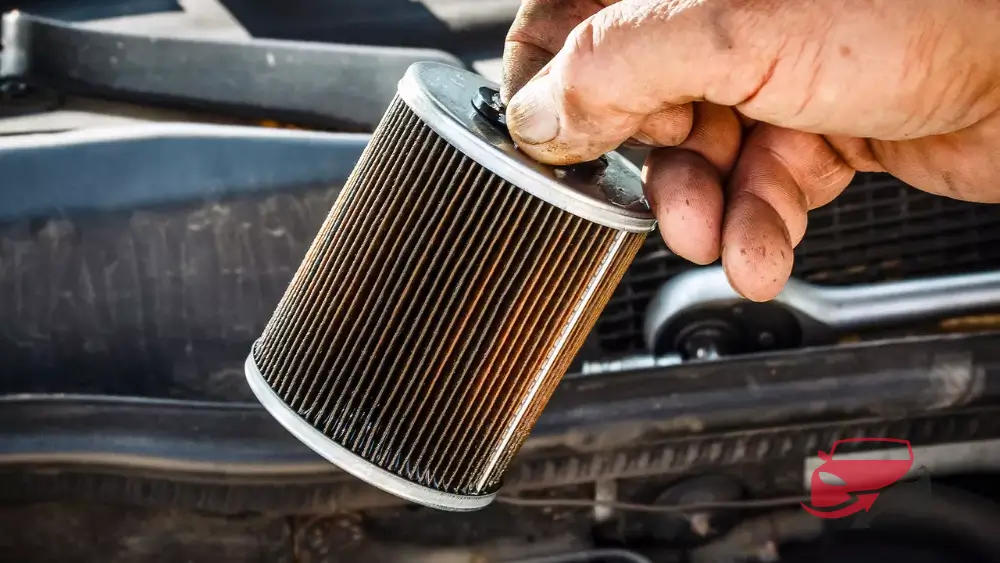
Fuel Filter
Its function is to clean diesel fuel from water and mechanical impurities. This is critical, as even minor contamination can damage fuel injectors.
Oil Filter
Responsible for keeping engine oil clean. When clogged, the oil loses its properties, accelerating engine wear.
All these components work together, so neglecting even one can lead to serious consequences.
When should filters be replaced?
There are no universal replacement intervals, but there are general guidelines:
air filter — every 250–500 operating hours;
fuel filter — every 300–600 operating hours;
oil filter — together with oil changes (approximately every 250 hours).
However, these intervals may vary depending on operating conditions. If diesel generators operate in dusty environments or with inconsistent fuel quality, replacement intervals should be shortened.
Seasonal factors also matter. In colder periods, fuel is more likely to contain condensation, increasing the load on fuel filters.
Signs it’s time to replace a filter
Even without tracking operating hours, there are clear warning signs:
reduced generator power;
increased fuel consumption;
unstable engine operation;
difficult startup;
black or bluish exhaust smoke.
Ignoring these signs is risky. They often indicate that the system is already operating at its limit.
Risks of delayed replacement
Saving on filters can lead to significantly higher costs later. The most common consequences include:
wear of the piston group;
failure of the fuel system;
engine overheating;
expensive major repairs.
This is especially critical for businesses where the generator is the primary power source. Any downtime results in direct financial losses.
The role of regular maintenance
Timely filter replacement is only part of a comprehensive approach. It is also important that diagnostics of a diesel generator be carried out regularly to detect hidden problems at an early stage.
Professional inspection allows you to:
assess the condition of all systems;
detect worn components;
optimize equipment performance;
extend generator lifespan.
Combining scheduled maintenance with high-quality consumables ensures stable operation.
How to choose quality filters?
There are many options on the market, but not all meet the requirements of industrial equipment. When choosing, pay attention to:
compatibility with your generator model;
material quality;
manufacturer reputation;
certification availability.
Cheap alternatives may seem attractive, but they often provide lower filtration efficiency and wear out faster.
Filters are small but critically important components of a diesel generator. Timely replacement directly impacts efficiency, reliability, and durability.
Regular maintenance, condition monitoring, and the use of high-quality components help prevent serious breakdowns and ensure uninterrupted operation even in demanding conditions. By investing in service today, you protect your business from unexpected costs in the future.
How to choose a reliable generator supplier in Ukraine
When electricity is essential for the uninterrupted operation of a business, production facility, office, or private home, a generator becomes more than just additional equipment — it becomes part of the power supply system. The reliability of the generator affects equipment operation, product safety, people’s comfort, and even the safety of certain processes. However, choosing […]
Generator for a farm: key selection considerations
For a farm, electricity is not just a matter of comfort but an essential condition for stable operations. Pumps, ventilation systems, refrigeration equipment, lighting, automation systems, grain dryers, and other machinery can operate only with a reliable power supply. A prolonged power outage can disrupt production processes, lead to product spoilage, and cause financial losses. […]
How to choose a generator for a private house with solar panels
Solar panels allow a private house to partially or fully cover its electricity needs without constant dependence on the grid. However, even a well-designed solar power system has its limitations. At night, there is no solar generation, panel output decreases in cloudy weather, and in winter, daylight hours are significantly shorter. If electricity is needed […]




 Kyiv
Kyiv
