The Most Common Mistakes When Choosing a Generator
Home >
Blog >
The Most Common Mistakes When Choosing a Generator
During power outages, a generator stops being an “option” and becomes a necessity. However, in practice, many buyers encounter problems after installation: unstable operation, excessive fuel consumption, overloads, or even equipment failure. The reason is simple — mistakes made at the selection stage.
In this article, we will examine the most common mistakes when choosing a generator, explain how to avoid them, and provide clear criteria to rely on when making a purchase.
1. Incorrect Power Calculation
This is the most common — and the most expensive — mistake.
❌ Typical situations:
Buying a generator “with double the required capacity just in case.”
Or, on the contrary, choosing a model that operates right at its nominal load.
Why is this a problem?
If the capacity is insufficient:
the generator runs at its limit,
overheats,
wears out faster,
shuts down automatically.
If the capacity is significantly oversized:
you overpay for the equipment,
fuel consumption increases,
the generator operates inefficiently.
How to calculate correctly?
Make a list of all electrical appliances.
Consider starting currents (especially for refrigerators, pumps, and air conditioners).
Add a 20–30% reserve margin.
For apartments and private houses, generators for home use in the mid-range category are usually sufficient, but precise selection should always be done individually.
2. Ignoring the Type of Fuel
Choosing between gasoline, diesel, and gas is a strategic decision.
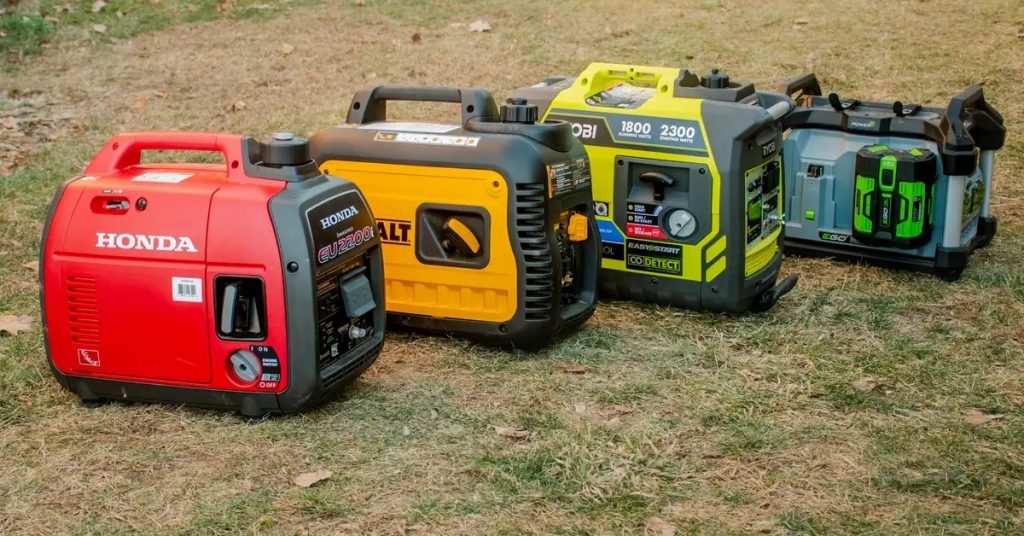
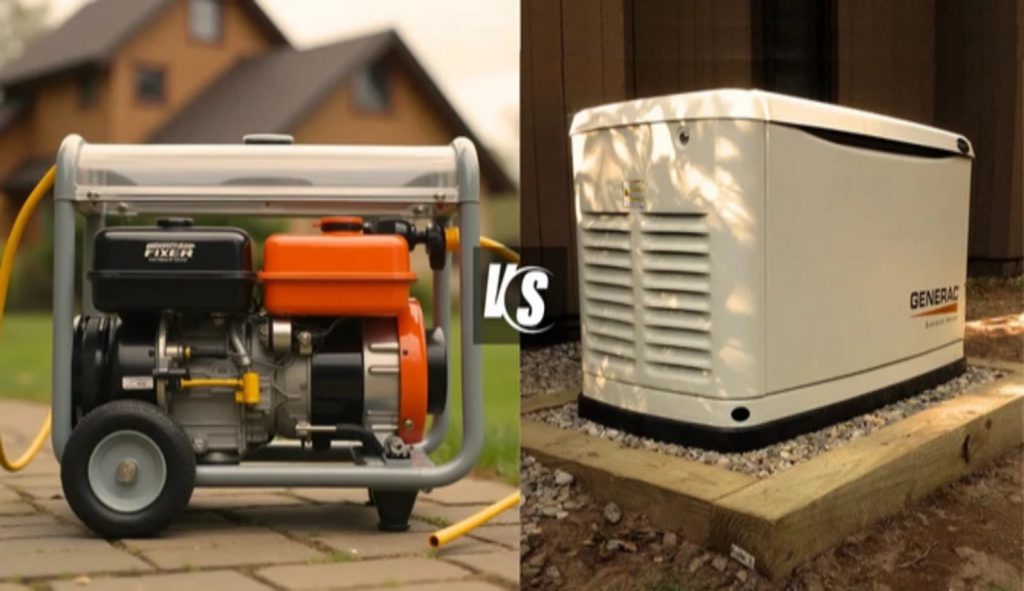
🔹 Gasoline Generators
Lower upfront cost,
Suitable for occasional use,
Shorter service life.
🔹 Diesel Generators
More durable,
More economical during long-term operation,
Ideal for business applications.
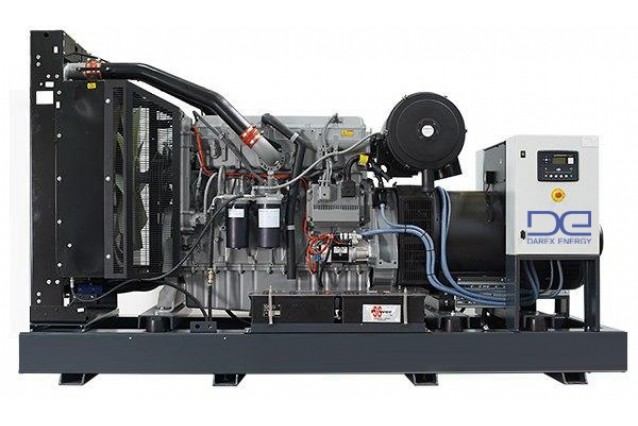
For enterprises and large facilities, industrial diesel generators are often the best solution, as they are designed for continuous heavy loads.
🔹 Gas Generators
Lower fuel cost,
More environmentally friendly,
Stable operation when connected to a gas line.
Modern gas-powered generators are frequently chosen for private homes with a constant need for backup power.
The common mistake is choosing based on the generator’s purchase price rather than actual operating conditions.
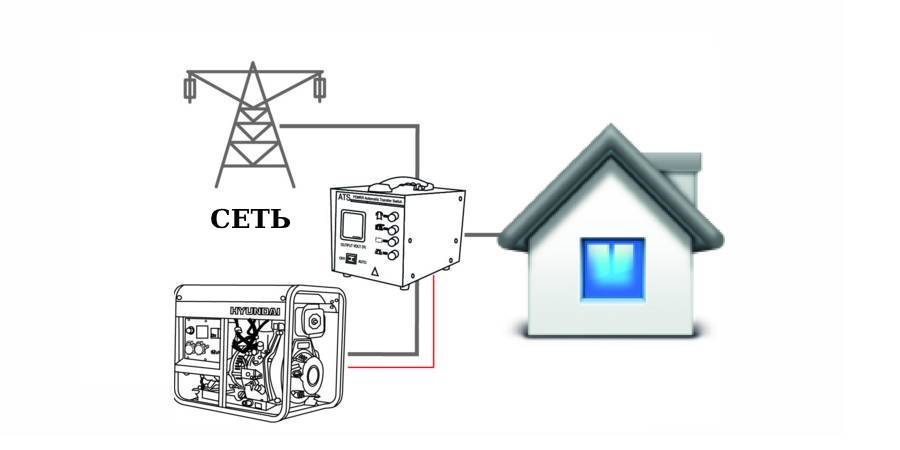
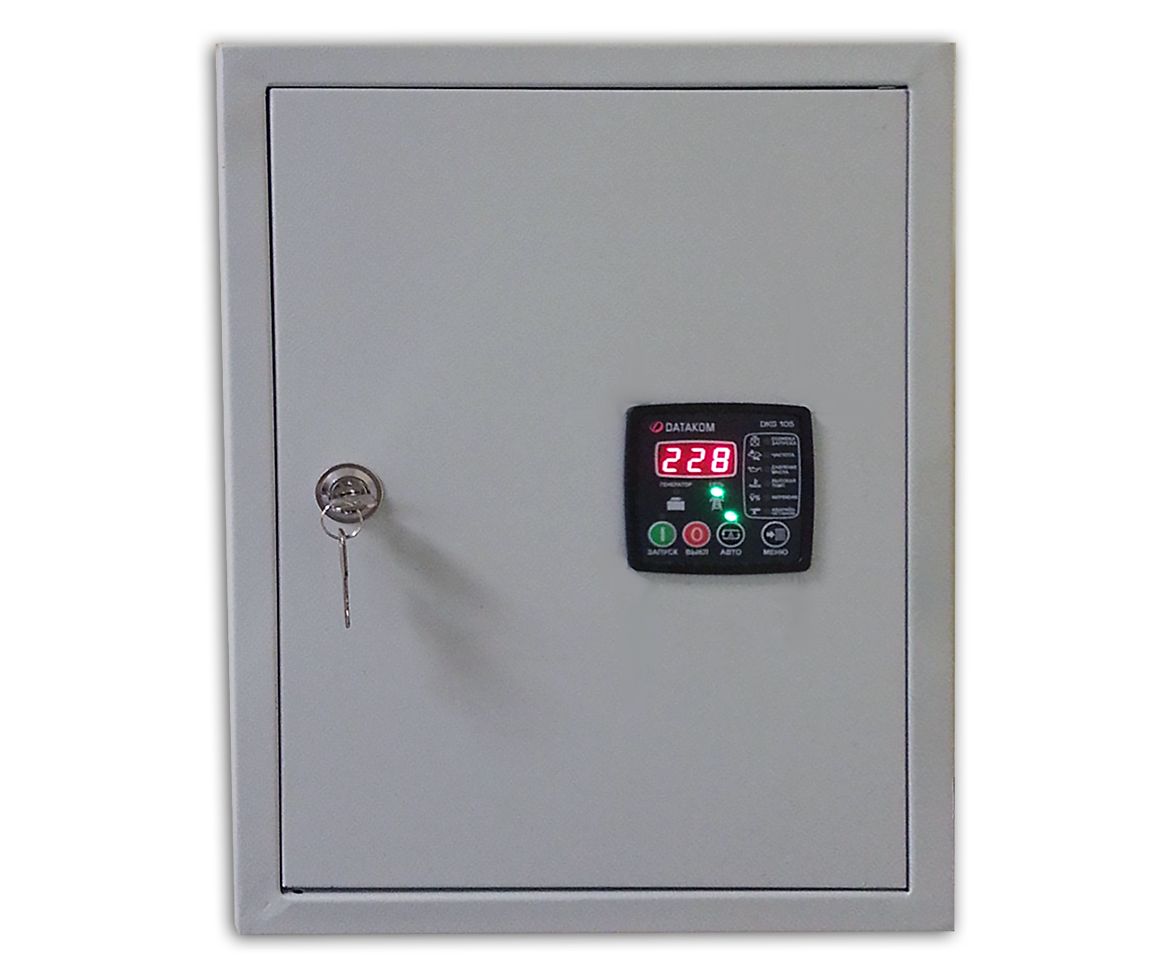
3. Ignoring Automatic Transfer Switch (ATS)
Many buyers overlook the possibility of integrating the generator into an automatic system.
Without ATS:
manual startup is required,
power supply delays may occur,
human error becomes a risk factor.
For businesses, server rooms, and medical facilities, the absence of automation can result in direct financial losses.
4. Underestimating Alternator Quality
The alternator is the “heart” of the generator.
There are:
synchronous,
asynchronous,
inverter models.
For sensitive electronics (boilers, computers, servers), stable voltage is crucial. Otherwise, equipment damage may occur.
A common mistake is purchasing the cheapest model without proper voltage regulation.
5. Underestimating Noise Levels
A gasoline generator without a soundproof enclosure can produce 90–100 dB — comparable to heavy traffic noise.
In residential areas, this may cause:
conflicts with neighbors,
discomfort for the family.
For urban environments, it is better to choose models with soundproof enclosures.
6. Choosing the Wrong Phase Configuration
Another frequent mistake is purchasing a three-phase generator “just in case.”
If:
all your consumers are single-phase,
you do not have three-phase equipment,
a three-phase generator may operate with phase imbalance, leading to unstable performance.
Important: the generator must match the electrical network configuration of the facility.
7. Ignoring Operating Mode and Duty Cycle
You must clearly answer the following questions:
Will the generator run 2–3 hours per day?
Is it a backup for 10–12 hours?
Or will it serve as the primary power source?
For short-term tasks, residential models are sufficient. For continuous loads, only professional or industrial solutions are appropriate.
8. Lack of Professional Selection
One of the most serious mistakes is purchasing a generator without expert consultation.
Every facility has unique characteristics:
starting loads,
sensitive equipment,
installation space limitations,
ventilation requirements,
noise restrictions.
Professional selection allows you to:
avoid overpaying,
ensure safety,
achieve optimal service life.
9. Ignoring Service and Warranty Support
A generator is equipment that requires:
regular maintenance,
filter and oil replacement,
load monitoring.
When choosing a supplier, it is important to consider not only the price but also:
availability of a service center,
spare parts stock,
warranty support.
How to Avoid Mistakes When Choosing a Generator
A simple algorithm:
Calculate the actual required power.
Define the operating mode.
Choose the fuel type according to real conditions.
Consider noise levels.
Determine whether ATS is required.
Consult professionals.
A generator is not just a purchase — it is an investment in the uninterrupted operation of your home or business. The most common mistakes when choosing a generator occur due to haste, lack of consultation, and incorrect load calculations.
To ensure your equipment operates for years without overloads and unnecessary expenses, you need a systematic approach — from needs analysis to professional installation.
A properly selected generator means:
stable voltage,
fuel efficiency,
long service life,
confidence during any power outage.
If you want to find the optimal solution for an apartment, house, or enterprise, it is best to consult specialists who can help you balance power, reliability, and budget.
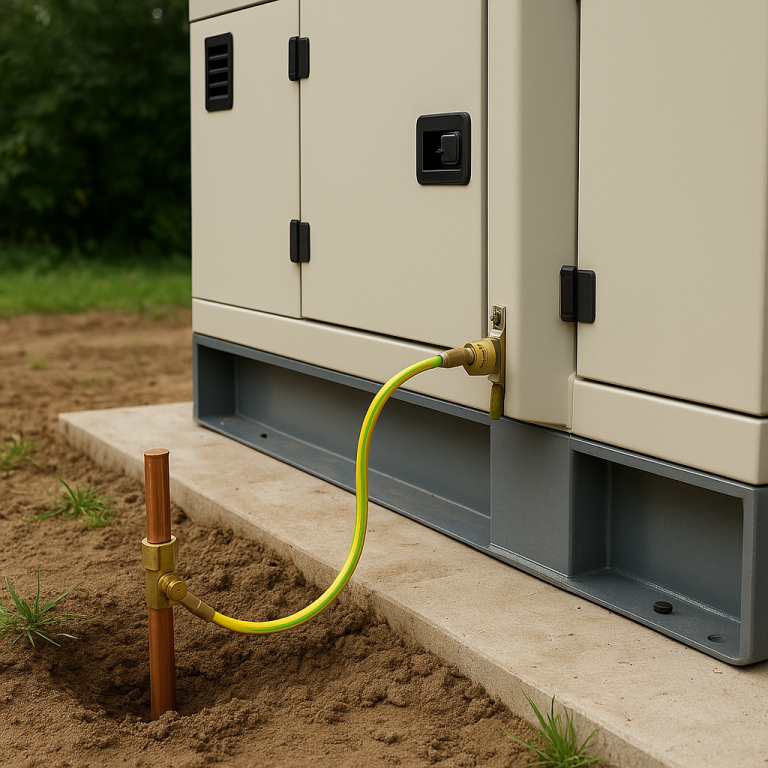
Proper generator grounding is one of the key conditions for its safe and stable operation. Many users underestimate this aspect, focusing only on power output or equipment type. However, grounding protects not only the equipment but also human life. Let’s explore why it is so important and how to properly set up the system. What […]
Generators have long become essential equipment for both businesses and private users. However, even the most reliable machinery requires periodic repairs and replacement of components. This raises a key question: which spare parts should you choose—original or aftermarket? The right decision affects not only the stability of the equipment but also its overall lifespan. Why […]
In today’s world, a stable power supply is not just a matter of comfort, but a necessity for businesses, industrial facilities, and even private homes. That is why automatic generators equipped with an ATS system are becoming an increasingly popular solution. They help prevent downtime, data loss, and financial damage. Let’s take a closer look […]



 Kyiv
Kyiv
