Home >
Blog >
Winter operation of generators: expert tips
Winter always puts equipment to the test: low temperatures, high humidity, ice, and frequent power outages create additional risks for machinery. Generators that provide backup or primary power also require special attention during the cold season. To ensure that the equipment operates reliably, does not fail at a critical moment, and serves for a long time, it is important to organize winter operation correctly. Experts share practical tips that will help prepare the equipment for frost and avoid common mistakes.
Preparing the generator for cold weather
First of all, before the onset of frost, a thorough inspection and maintenance of the unit should be carried out. The level and condition of oil, coolant, the tightness of the fuel system, the operation of the battery, and electronics are checked. Special attention should be paid to fuel filters — in winter they clog much faster due to diesel fuel paraffinization. That is why regular diagnostics of a diesel generator is a mandatory condition for its reliable operation.
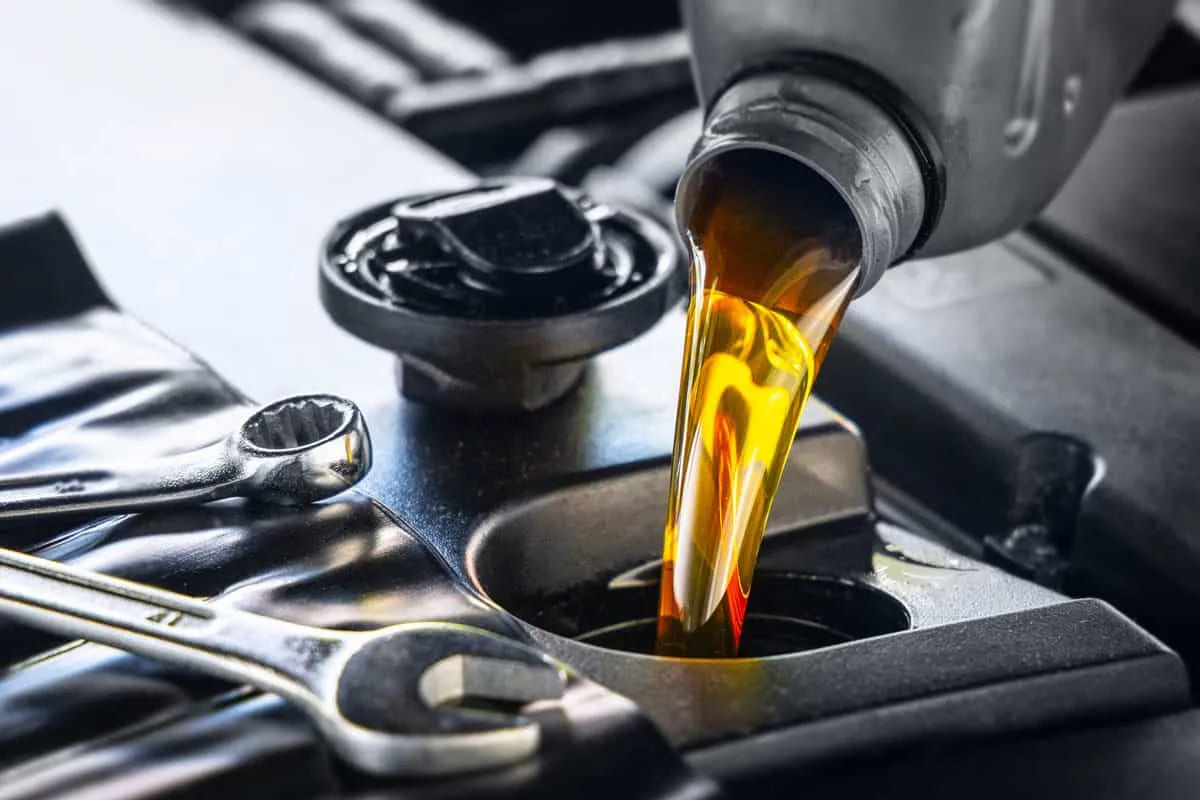
If even minor faults are detected, they must be eliminated immediately. Winter loads and cold only worsen problems, and a small defect can develop into a serious failure. It is recommended to use winter-grade oils and fuels designed for low temperatures — this makes starting easier and reduces wear on components.
Proper placement and weather protection
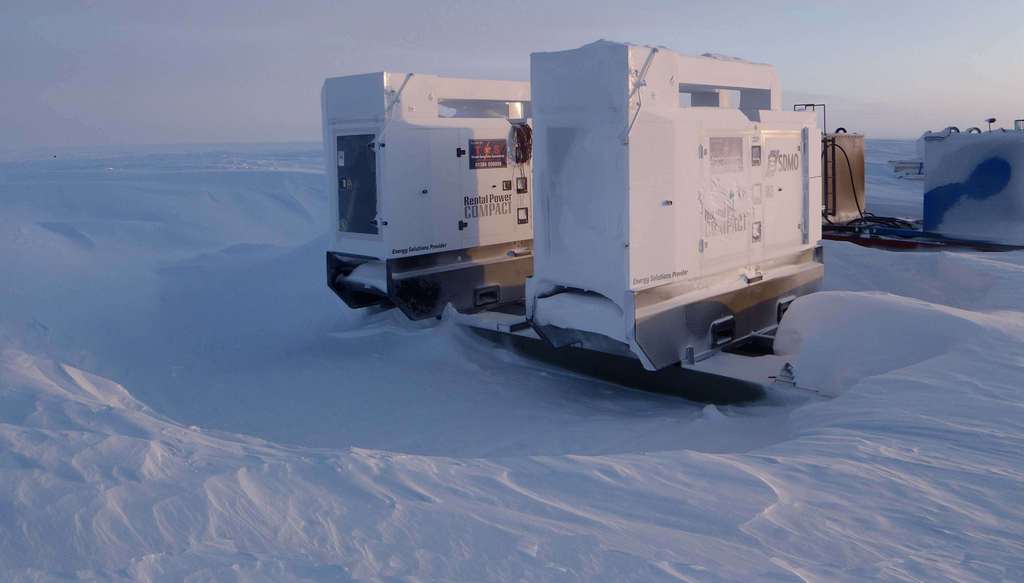
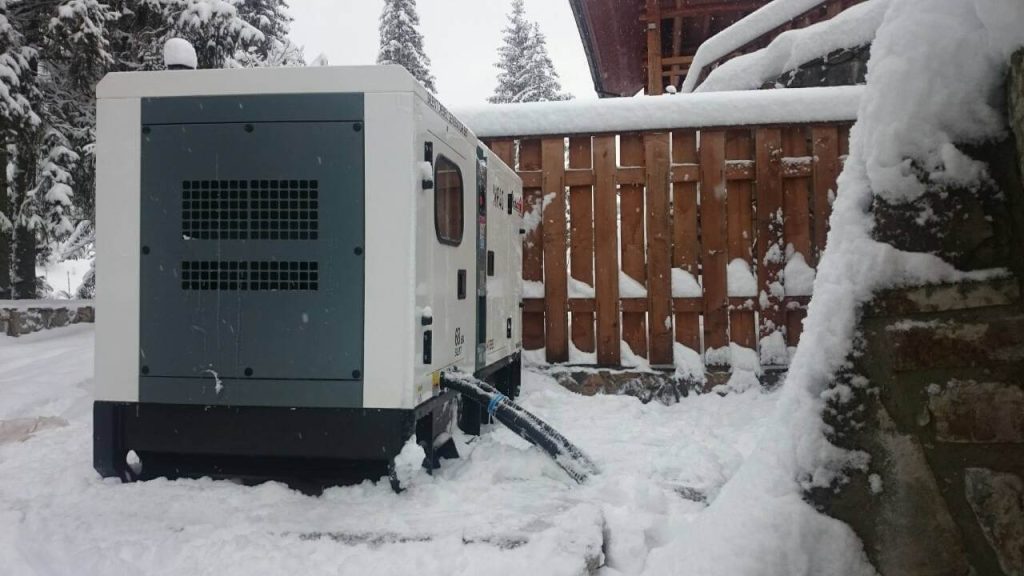
In winter, the generator should not operate in the open air. It is advisable to install it in a special enclosure, under a canopy, or in a separate ventilated room. This protects it from snow, rain, ice, and strong wind. At the same time, it is important to avoid the accumulation of exhaust gases and overheating; therefore, the ventilation system must be well designed.
The main requirement is dryness. Moisture is the main enemy of electronics and contacts, causing corrosion and short circuits. The base under the generator must be flat, free of snow or ice, preferably concrete or metal. If the equipment is located in an unheated room, additional protection against condensation is required.
Features of starting in frosty weather
The most difficult thing for equipment in winter is a cold start. Oil thickens, the battery loses part of its capacity, and fuel evaporates worse. To facilitate starting, it is recommended to warm up the engine before switching on or use preheating systems for the crankcase and coolant. The starter should not be cranked for too long — this wears out the battery and increases the load on mechanical parts. It is better to make several short attempts with pauses.
For diesel units, it is especially important to use winter diesel fuel. Summer diesel at subzero temperatures forms paraffin crystals that clog filters and fuel lines. The result is failure to start or unstable operation under load.
Regular starts and preventive maintenance
Even if the generator is used only as a backup power source, it should be started periodically in winter. Short operation under load once a week helps warm up the engine, check the battery and fuel system, and remove condensation. Such preventive maintenance greatly reduces the risk of failure at the moment when electricity is critically needed.
Do not forget to check battery terminals, tighten contacts, inspect belts, and monitor fluid levels. Timely maintenance is cheaper and easier than repairing a breakdown in severe frost.
What to consider when choosing a generator for winter
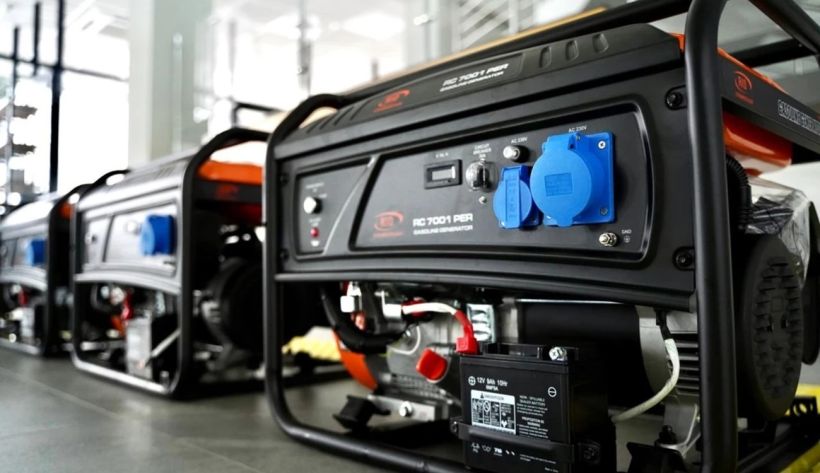
If you are planning to upgrade equipment or thinking about buying a diesel generator, you should consider winter operating conditions. It is better to choose models with coolant heating, preheaters, a protective enclosure, and a high-quality automation system. Power should be selected with a margin, since starting currents of devices increase in cold weather.
Winter operation of generators requires attention, planning, and a responsible approach to maintenance. Regular diagnostics of a diesel generator, the use of winter consumables, proper placement, and moisture protection are key conditions for reliable operation. And if you decide to buy a diesel generator, choose models adapted to low temperatures and high loads.
By following these tips, you will ensure stable power supply even in the harshest frosts and extend the service life of your equipment for many years.
Connecting a Generator to a Heating Boiler: A Complete Practical Guide
During power outages, heating autonomy becomes critically important. Even a modern gas boiler cannot operate without electricity — the circulation pump, automation system, and control board all require stable power. Therefore, properly connecting a generator to a heating boiler is a matter of safety, comfort, and system protection. In this article, we will cover: This […]
Generator Oil Change: How Often and Which Oil to Choose
The stable operation of a generator directly depends on proper maintenance. The key element of that maintenance is timely oil replacement. Engine oil protects internal components from wear, overheating, and premature failure. In this article, we will cover: This material is useful both for homeowners and for businesses where a generator is a critical part […]
The Most Common Mistakes When Choosing a Generator
During power outages, a generator stops being an “option” and becomes a necessity. However, in practice, many buyers encounter problems after installation: unstable operation, excessive fuel consumption, overloads, or even equipment failure. The reason is simple — mistakes made at the selection stage. In this article, we will examine the most common mistakes when choosing […]




 Kyiv
Kyiv
