Home >
Blog >
Safety Rules for Working with a Diesel Generator
Diesel generators are a reliable source of energy that ensure uninterrupted operation of electrical devices during power outages. They are widely used on construction sites, in private homes, stores, offices, and industrial facilities. However, like any powerful equipment, a diesel generator requires proper maintenance and strict adherence to safety rules. Careless handling can lead to equipment failure or even serious injury.
Proper Installation Location
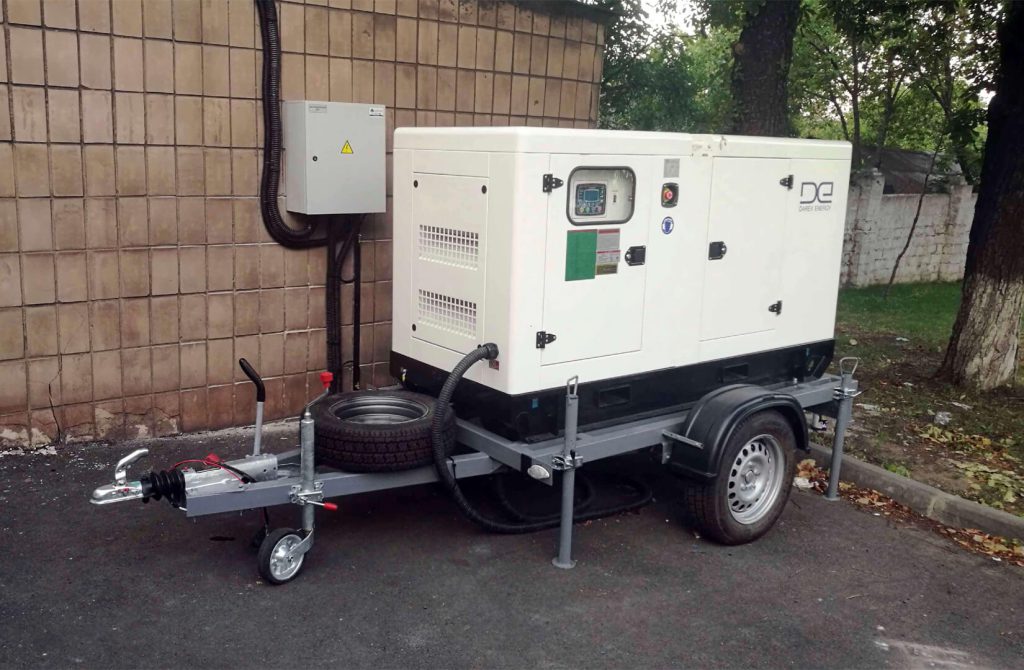
First and foremost, a diesel generator should be installed in a well-ventilated area or outdoors under a canopy. During operation, the engine emits exhaust gases containing carbon monoxide — a colorless but deadly substance. Never install the generator in basements, garages, or other enclosed spaces without ventilation.
It is recommended to keep at least 1.5–2 meters (5–6 feet) of clearance from walls and objects to ensure free airflow and prevent overheating. Also, do not place the generator near flammable materials, as the casing becomes very hot during operation.
Preparation Before Starting
Before starting the generator, carefully check the levels of fuel, oil, and coolant. Use only high-quality diesel fuel — low-grade fuel can cause premature diesel generator repair, as it clogs the fuel system and wears out the injectors.
Inspect all cables and connectors — any damage to insulation poses a risk of electric shock. Make sure that all electrical consumers are disconnected from the generator before starting it.
Safe Operation
Do not refuel or add oil while the diesel generator is running. Due to the high temperature of the engine, there is a risk of fire. All refueling should only be done after the generator has been completely stopped and cooled down.
Do not overload the generator — each model has its rated power output. If too many devices are connected, it may cause malfunctions or damage the electronics. To calculate the load correctly, determine in advance which devices will be powered by the generator, and choose a model with a 15–20% power reserve.
If you decide to buy diesel generators for long-term use, choose models with protection against short circuits, overloads, and low oil levels. These features significantly enhance safety and extend the lifespan of the equipment.
Protection from Moisture and Dust
The electrical components of the generator must be protected from moisture. During rain or snow, the generator should be placed under a canopy or in a special enclosure. If moisture gets inside the casing, it may cause a short circuit or damage to the alternator windings.
To prevent overheating, regularly clean the cooling grilles from dust, leaves, and debris. Dirt can reduce cooling efficiency and lead to increased engine temperature.
Maintenance and Repair
Regular maintenance is the key to safe and stable generator operation. Preventive inspections should be performed every 100–200 operating hours. This includes changing the oil and filters, checking belts, electrical contacts, and the battery.
If you notice unusual noises, a burning smell, or reduced power, immediately turn off the generator and contact specialists for diesel generator repair. Attempting repairs without experience may worsen the problem and pose a safety risk to the operator.
Storage and Transportation
If the generator will not be used for an extended period, drain the fuel or add a stabilizer to prevent residue buildup in the system. Store the generator in a dry, cool place, protected from dust and direct sunlight.
During transportation, ensure the unit is securely fastened to avoid mechanical damage. Some models come equipped with built-in wheels, making it easier to move around.
Personal Protective Equipment
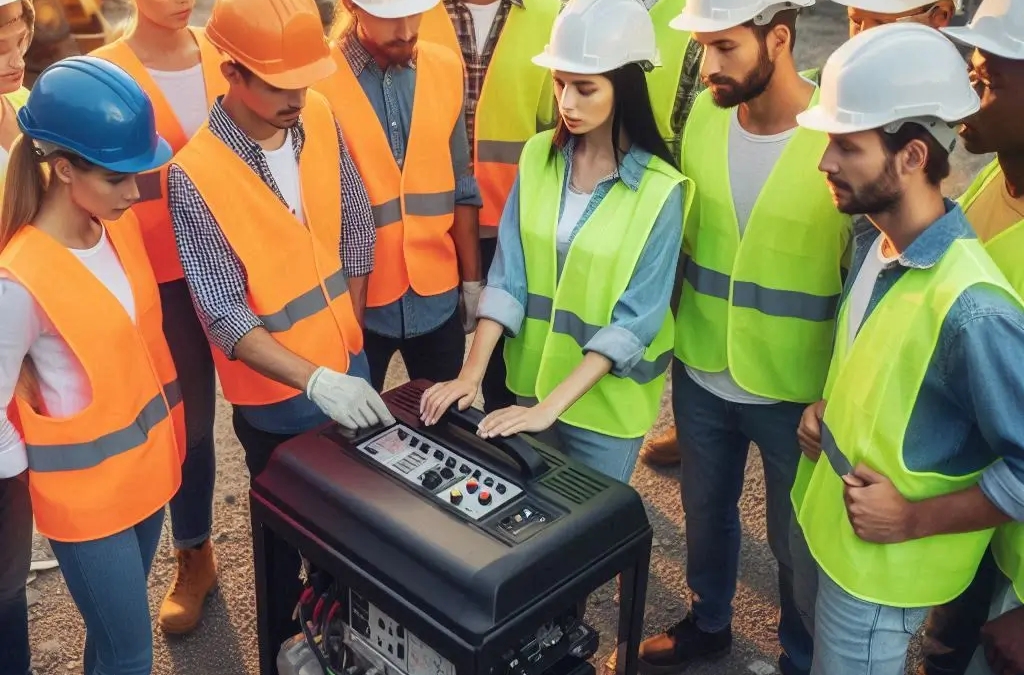
When operating a generator, use protective gloves, goggles, and ear protection — engine noise can exceed safe limits. Avoid wearing loose clothing near the generator, as it can get caught in moving parts.
A diesel generator is an indispensable helper in many fields, but its operation requires responsibility. Following safety rules, performing timely maintenance, and using quality materials will help you avoid dangerous situations and ensure stable equipment performance for years to come.
If you plan to buy diesel generator, pay attention to their technical specifications, built-in protection systems, and manufacturer reputation. And in case of a malfunction — don’t delay diesel generator repair, since preventive maintenance is always safer and cheaper than dealing with an emergency breakdown.
How to choose a reliable generator supplier in Ukraine
When electricity is essential for the uninterrupted operation of a business, production facility, office, or private home, a generator becomes more than just additional equipment — it becomes part of the power supply system. The reliability of the generator affects equipment operation, product safety, people’s comfort, and even the safety of certain processes. However, choosing […]
Generator for a farm: key selection considerations
For a farm, electricity is not just a matter of comfort but an essential condition for stable operations. Pumps, ventilation systems, refrigeration equipment, lighting, automation systems, grain dryers, and other machinery can operate only with a reliable power supply. A prolonged power outage can disrupt production processes, lead to product spoilage, and cause financial losses. […]
How to choose a generator for a private house with solar panels
Solar panels allow a private house to partially or fully cover its electricity needs without constant dependence on the grid. However, even a well-designed solar power system has its limitations. At night, there is no solar generation, panel output decreases in cloudy weather, and in winter, daylight hours are significantly shorter. If electricity is needed […]



 Kyiv
Kyiv
