Home >
Blog >
Inverter Generators: Advantages and Disadvantages
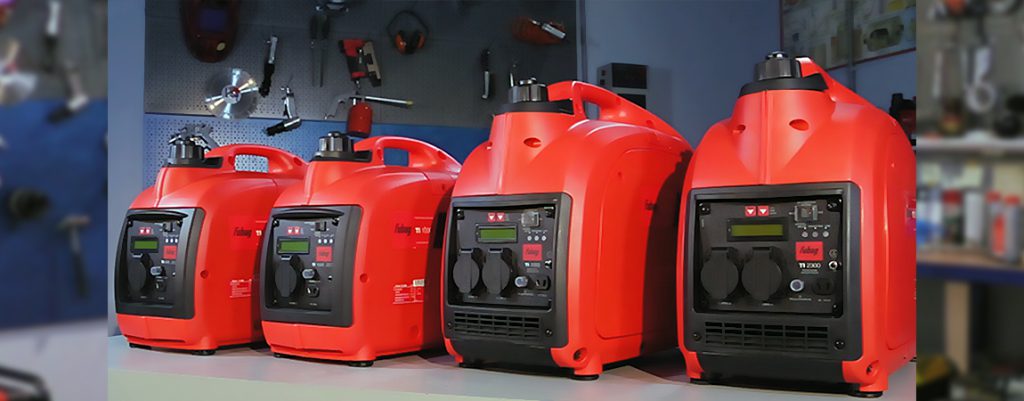
In today’s world, it’s hard to imagine daily life without a stable power supply. However, power outages are becoming increasingly common, forcing people to look for alternative energy sources. One of the most popular solutions today is inverter generators. They are compact, fuel-efficient, and provide stable voltage, making them an excellent option for private homes, cottages, and even small businesses. But are they really as versatile as they seem? Let’s break down the advantages and disadvantages of these devices and see what to consider if you decide to buy generators.
What Is an Inverter Generator and How It Works
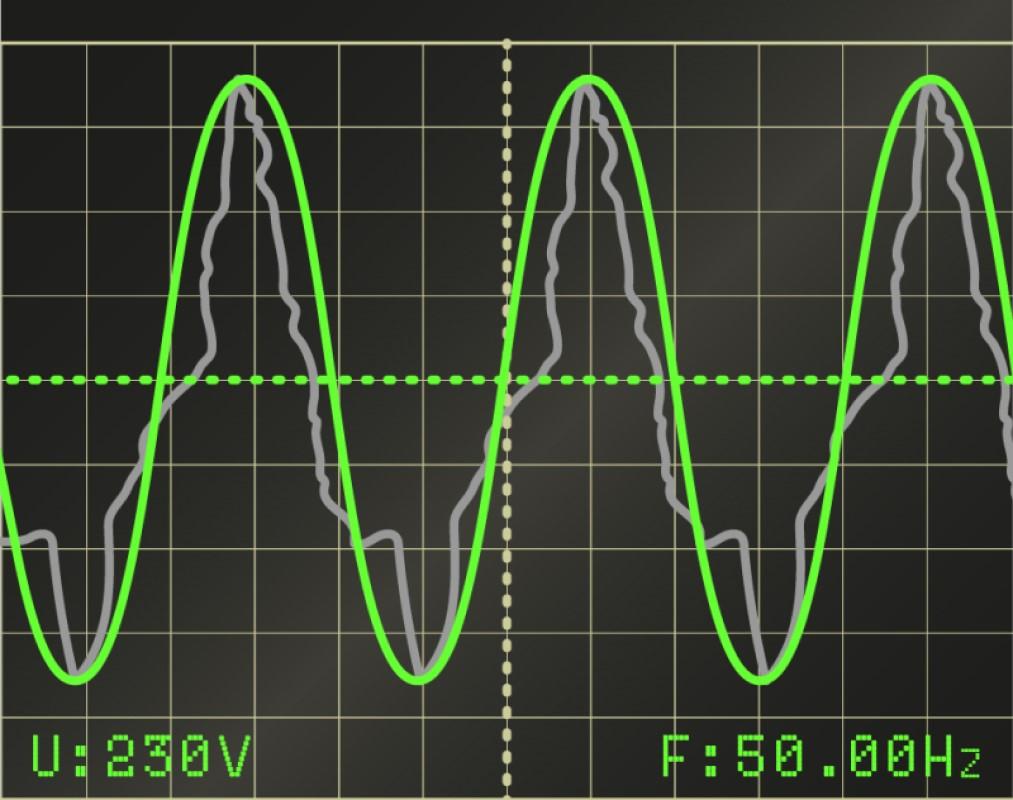
An inverter generator is a modern type of power generator that operates on a unique principle. Unlike traditional models, it produces alternating current (AC), converts it to direct current (DC), and then back to AC with a consistent frequency and stable voltage. This technology provides a clean sine wave — electricity without fluctuations, safe even for sensitive equipment like laptops, TVs, medical devices, and more.
Advantages of Inverter Generators
Stable Power Quality. Inverter technology ensures smooth and stable voltage without surges, allowing you to safely power even the most sensitive electronics. This is one of the main reasons why inverter generators for home use are so popular.
Energy Efficiency and Fuel Savings. Thanks to an automatic engine speed control system, an inverter generator consumes only as much fuel as needed for the current load. This significantly reduces operating costs and makes the device more environmentally friendly.
Compact and Lightweight Design. Inverter models are typically smaller and lighter than traditional ones. They’re easy to carry, which is especially convenient for homeowners, travelers, and anyone who needs portable power.
Quiet Operation. With advanced technologies and noise-reducing systems, inverter generators operate much more quietly than conventional units. This makes them ideal for generators for home use, camping, or outdoor events.
Safe for Sensitive Electronics. Thanks to the clean sine wave and stable voltage, inverter generators are perfect for powering modern gadgets, household appliances, water pumps, and even smart home systems.
Disadvantages of Inverter Generators
Despite their many benefits, there are a few downsides you should be aware of before purchasing.
Higher Price. Inverter generators are more expensive than traditional models. If you plan to buy generators for light home use, be prepared to pay extra for advanced technology.
Limited Power Output. Most inverter generators are designed to power a limited number of devices. If you need to run an entire house with multiple high-demand appliances, you may need a more powerful unit.
More Complex Repairs. Due to their sophisticated electronics, inverter generators are harder to repair. In case of breakdowns, you’ll likely need professional service, which can increase maintenance costs.
How to Choose an Inverter Generator for Home Use
If you’ve decided to buy generators, pay attention to these important factors:
Power Output — calculate the total wattage of all the devices you plan to connect.
Fuel Tank Capacity & Consumption — this determines how long the generator can run continuously.
Noise Level — especially important for apartments and residential areas.
Warranty & Service — make sure the model you choose comes with proper service support.
Inverter generators for home use are a modern, efficient, and safe solution for ensuring an uninterrupted power supply. They’re quiet, fuel-efficient, and ideal for powering sensitive electronics. However, their higher cost and limited capacity may be deciding factors when choosing a generator. If you need a reliable backup power source for household needs or frequently face power outages, an inverter generator can be a great investment.
And if you want to make the right decision and buy generators at the best value, take time to compare models, assess your energy needs, and choose the unit that best fits your home.
How to choose a reliable generator supplier in Ukraine
When electricity is essential for the uninterrupted operation of a business, production facility, office, or private home, a generator becomes more than just additional equipment — it becomes part of the power supply system. The reliability of the generator affects equipment operation, product safety, people’s comfort, and even the safety of certain processes. However, choosing […]
Generator for a farm: key selection considerations
For a farm, electricity is not just a matter of comfort but an essential condition for stable operations. Pumps, ventilation systems, refrigeration equipment, lighting, automation systems, grain dryers, and other machinery can operate only with a reliable power supply. A prolonged power outage can disrupt production processes, lead to product spoilage, and cause financial losses. […]
How to choose a generator for a private house with solar panels
Solar panels allow a private house to partially or fully cover its electricity needs without constant dependence on the grid. However, even a well-designed solar power system has its limitations. At night, there is no solar generation, panel output decreases in cloudy weather, and in winter, daylight hours are significantly shorter. If electricity is needed […]



 Kyiv
Kyiv
