Home >
Blog >
Installing a Home Generator: Step-by-Step Guide
Power outages are prompting more and more Ukrainians to consider backup energy solutions. Home generators have become a reliable option for private houses as well as apartments with the possibility of external connection. Diesel generators are especially popular because they are more economical, safer, and designed for longer operation under load. Below is a detailed step-by-step guide to help you install a generator properly and safely.
Step 1. Choosing an Installation Location
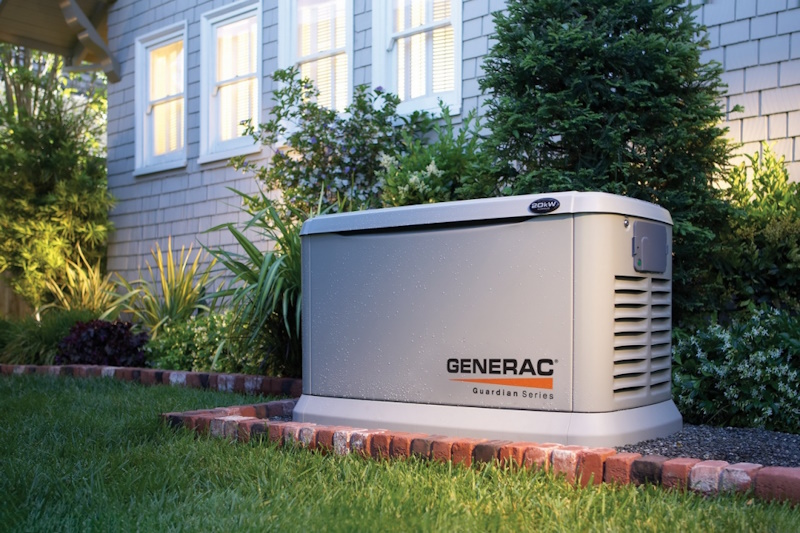
Before installation, it’s important to determine the exact placement of the generator. Ideally, it should be installed on a separate platform near the house, at least 1 meter away from the wall. The location must be well-ventilated and protected from precipitation and direct sunlight. For diesel generators, it is especially important to ensure proper exhaust gas removal and easy access for maintenance.
Step 2. Preparing the Foundation
The generator must be placed on a flat, sturdy foundation. This is typically a concrete slab or a metal frame. The foundation should support the weight of the equipment and absorb vibrations. If you are using powerful home generators, an additional anti-vibration layer will significantly reduce noise and extend the equipment’s lifespan.
Step 3. Setting Up the Electrical Connection
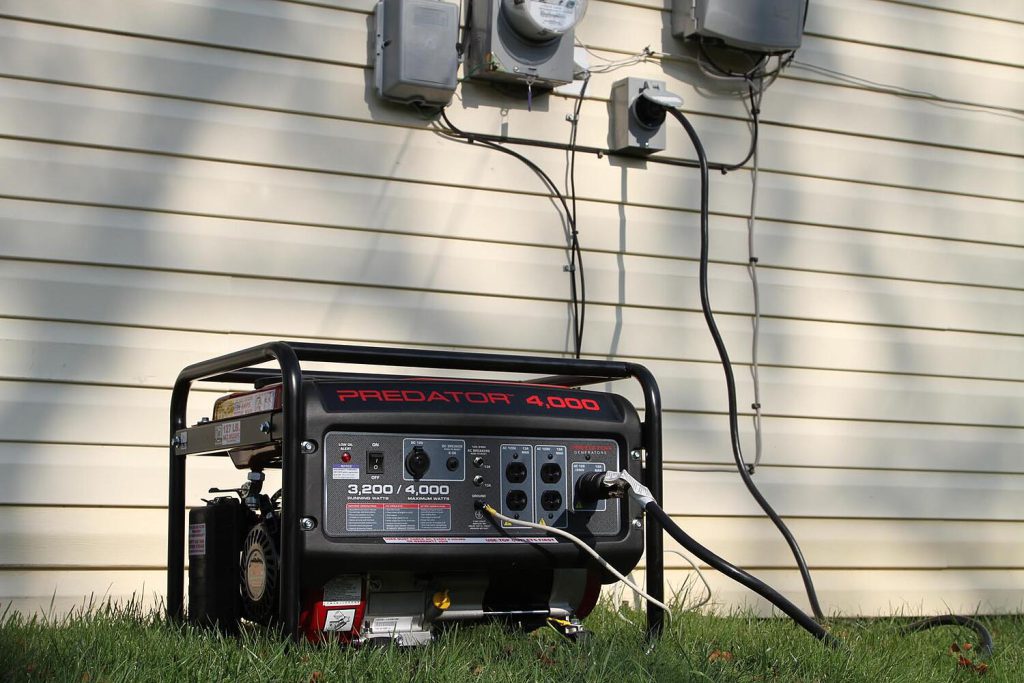
To connect the generator to your home’s electrical system, you will need an automatic or manual transfer switch (ATS). It ensures that the generator does not accidentally feed electricity back into the main grid and protects the system from overloads. A qualified electrician must perform the connection. Incorrect wiring can not only damage the equipment but also pose a safety risk to the residents.
Step 4. Exhaust Management and Ventilation
Diesel generators produce a stronger exhaust, so it’s necessary to install a metal chimney or direct the exhaust pipe away from the house. It’s also essential to ensure proper airflow-engines consume a lot of oxygen and generate heat. Adequate ventilation prevents overheating and stabilizes generator performance.
Step 5. Fuel Preparation and Safe Storage
The fuel tank must be clean, sealed, and filled with high-quality diesel fuel. Fuel reserves should be stored in metal containers away from heat sources. For stationary generators, you may also install a separate underground or above-ground fuel tank. It’s important to regularly inspect filters, hoses, and connections for leaks.
Step 6. Initial Setup and Testing
After installation, an electrician will test the system: checking phase alignment, voltage, the operation of the automatic switch, and frequency stability. The generator should be started several times and tested under different loads to ensure everything works properly. For home generators, this is a crucial step, as the load type and power requirements can vary significantly.
Step 7. Regular Maintenance
Even the highest-quality generator requires routine maintenance. Every 50–100 hours of operation, you should change the oil, monitor coolant levels, and clean the filters. Once a year, it is recommended to perform a full diagnostic check-especially if the generator operates seasonally. Diesel generators are known for their durability, but only with timely servicing.
Installing a generator at home is not overly complicated, but it does require careful planning. If you choose the right location, ensure proper ventilation, connect the equipment correctly, and follow basic safety rules, home generators will become a reliable backup power solution during bad weather or emergency situations. And diesel generators, due to their efficiency and reliability, will provide stable electricity for many years.
How to choose a reliable generator supplier in Ukraine
When electricity is essential for the uninterrupted operation of a business, production facility, office, or private home, a generator becomes more than just additional equipment — it becomes part of the power supply system. The reliability of the generator affects equipment operation, product safety, people’s comfort, and even the safety of certain processes. However, choosing […]
Generator for a farm: key selection considerations
For a farm, electricity is not just a matter of comfort but an essential condition for stable operations. Pumps, ventilation systems, refrigeration equipment, lighting, automation systems, grain dryers, and other machinery can operate only with a reliable power supply. A prolonged power outage can disrupt production processes, lead to product spoilage, and cause financial losses. […]
How to choose a generator for a private house with solar panels
Solar panels allow a private house to partially or fully cover its electricity needs without constant dependence on the grid. However, even a well-designed solar power system has its limitations. At night, there is no solar generation, panel output decreases in cloudy weather, and in winter, daylight hours are significantly shorter. If electricity is needed […]



 Kyiv
Kyiv
