Home >
Blog >
Generator Power: How to calculate the required kW
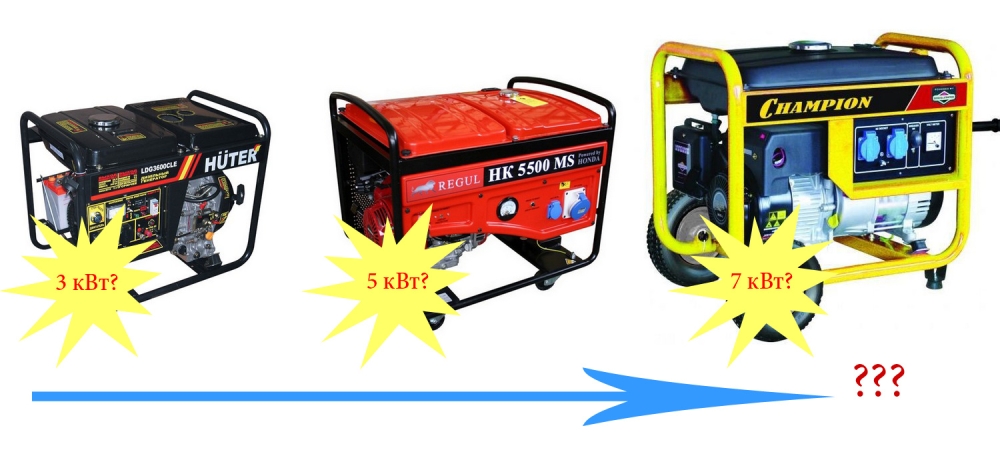
Modern life is impossible without electricity: it powers our homes, offices, businesses, and even summer cottages. But what happens when the lights suddenly go out, and work can’t stop? In such situations, a generator comes to the rescue. Choosing the right model directly depends on correctly calculating the required power. After all, a generator that’s too weak simply won’t handle the load, while one that’s too powerful will cost significantly more and consume more fuel.
If you’re planning to buy generators, it’s essential to understand how to determine the optimal power in kilowatts. Let’s break down how to do it correctly.
1. Make a List of Devices to Power
The first step is to make a list of all electrical devices you plan to connect to the generator. These may include:
refrigerator;
water heater;
lighting;
computers;
pumps;
power tools;
air conditioners, etc.
Even if you’re considering a generator only as a backup power source, it’s important to decide which devices need to keep running during a power outage: just the essentials or everything.
2. Calculate the Total Power Consumption
Each device has a rated power specification, measured in watts (W) or kilowatts (kW). You can usually find this information on the device label or in the manual.
For example:
refrigerator — 300 W;
TV — 150 W;
pump — 1000 W;
lighting — 200 W.
Adding these together, the total power requirement is 1.65 kW. But this isn’t the final figure!
3. Consider Starting Currents
Many electrical devices consume more power when starting up than during steady operation. These include:
refrigerators;
air conditioners;
pumps;
power tools.
For example, a refrigerator with a rated power of 300 W may draw 900–1200 W at startup. Therefore, when calculating, it’s best to add a 30–50% power reserve.
If the total power consumption of all devices is 1.65 kW, you’ll need a generator of at least 2.5 kW to handle startup surges.
4. Choose the Right Type of Generator
Once you know the required power, you can choose the right type of generator:
Gasoline generators — perfect for household use, compact, and relatively affordable. Ideal for backup power at home or in a cottage.
Diesel generators — designed for higher loads, more fuel-efficient, and durable, but more expensive.
Gas generators — eco-friendly, quiet, and convenient if you have access to a gas line.
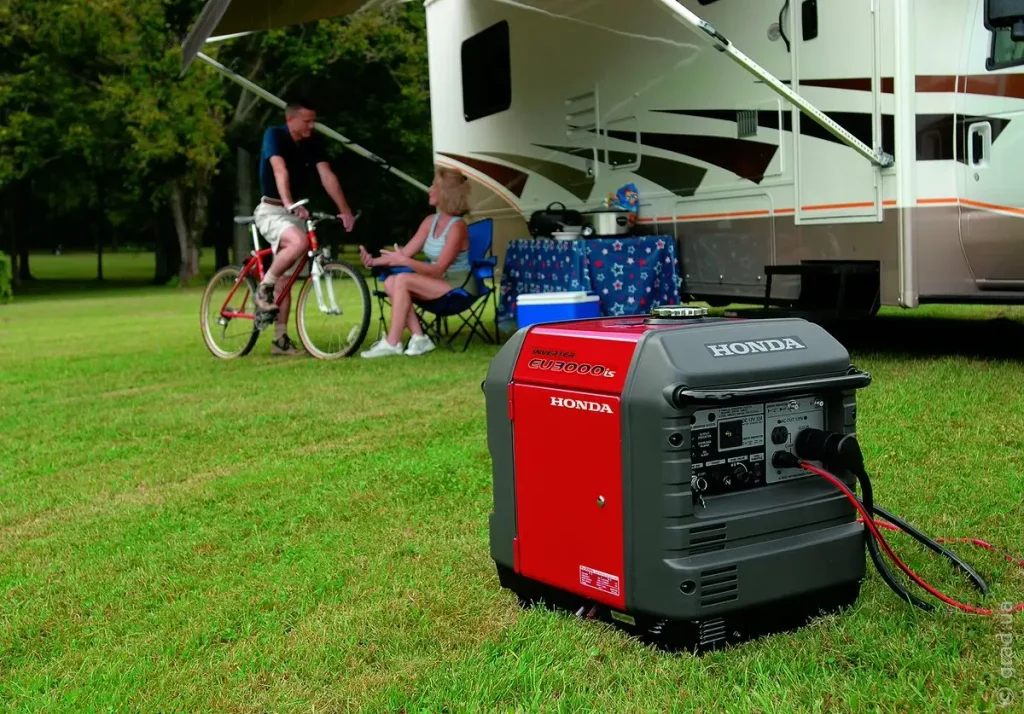
Inverter generators — modern, lightweight, and provide stable voltage, making them the best choice for sensitive electronics.
If you need a generator for an office or small business where many devices operate simultaneously, a diesel or high-power inverter generator is the better option.
5. Always Include a Power Reserve
Experts recommend choosing a generator with a 20–30% power reserve over your calculated needs. This ensures:
stable operation even when adding extra devices;
protection against generator overload;
a longer lifespan for the equipment.
For example, if your total power consumption is 3 kW, it’s better to choose a generator rated for 3.5–4 kW.
Today’s market offers a wide selection of models for every need — from portable compact units to powerful industrial generators. If you’re planning to buy generators, pay attention to:
brand reliability;
official warranties;
available maintenance and service;
customer reviews.
Investing in a quality generator is not just a purchase — it’s an assurance of comfort and safety in any situation.
Calculating the correct generator power is the key to its efficient and long-lasting performance.
Remember: a generator is your guarantee of uninterrupted power supply. Choose wisely, and unexpected blackouts will never catch you off guard.
How to choose a reliable generator supplier in Ukraine
When electricity is essential for the uninterrupted operation of a business, production facility, office, or private home, a generator becomes more than just additional equipment — it becomes part of the power supply system. The reliability of the generator affects equipment operation, product safety, people’s comfort, and even the safety of certain processes. However, choosing […]
Generator for a farm: key selection considerations
For a farm, electricity is not just a matter of comfort but an essential condition for stable operations. Pumps, ventilation systems, refrigeration equipment, lighting, automation systems, grain dryers, and other machinery can operate only with a reliable power supply. A prolonged power outage can disrupt production processes, lead to product spoilage, and cause financial losses. […]
How to choose a generator for a private house with solar panels
Solar panels allow a private house to partially or fully cover its electricity needs without constant dependence on the grid. However, even a well-designed solar power system has its limitations. At night, there is no solar generation, panel output decreases in cloudy weather, and in winter, daylight hours are significantly shorter. If electricity is needed […]



 Kyiv
Kyiv
