Generator Oil Change: How Often and Which Oil to Choose
Home >
Blog >
Generator Oil Change: How Often and Which Oil to Choose
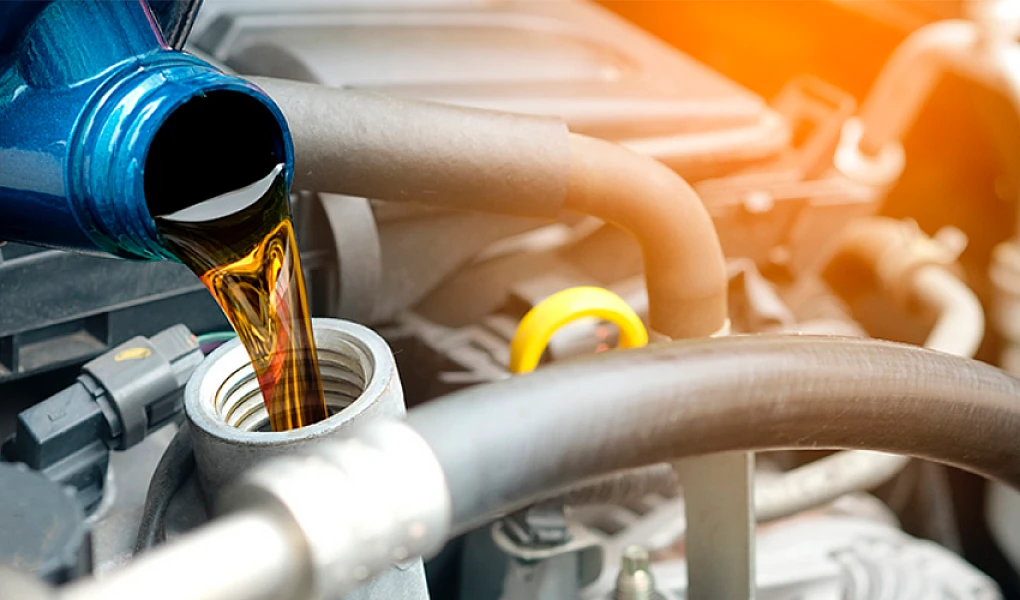
The stable operation of a generator directly depends on proper maintenance. The key element of that maintenance is timely oil replacement. Engine oil protects internal components from wear, overheating, and premature failure.
In this article, we will cover:
how often you should change the oil in a generator,
which oil is suitable for gasoline and diesel models,
the most common mistakes owners make,
how to extend equipment lifespan by 2–3 times.
This material is useful both for homeowners and for businesses where a generator is a critical part of energy security.
Why Is Oil Replacement So Important?
A generator operates under load, often in harsh conditions: dust, temperature fluctuations, and long continuous runtimes. Oil performs several essential functions:
lubricates moving engine parts;
reduces friction;
dissipates heat;
prevents corrosion;
removes combustion by-products.
Without regular replacement, oil loses its properties, oxidizes, and accumulates metal particles. This leads directly to costly engine repairs.
How Often Should You Change Generator Oil?
The frequency depends on the generator type, usage intensity, and operating conditions.
🔹 For Gasoline Generators
First change — after 20–30 operating hours (break-in period).
Then — every 50–100 operating hours.
Under intensive use — every 50–60 hours.
If you use gasoline generators as a backup power source for your home, it is important to focus on operating hours rather than calendar time.
🔹 For Diesel Generators
First change — after 50 operating hours.
Then — every 150–250 operating hours (depending on the model).
For industrial power stations — according to the manufacturer’s maintenance schedule.
Professional diesel generator maintenance includes not only oil replacement but also inspection of filters, the fuel system, and load levels.
For businesses planning to buy industrial generators for continuous operation, following the maintenance schedule is critical to preserving warranty and engine lifespan.
Which Oil Should You Choose for a Generator?
Selecting the right oil is just as important as replacing it on time.
1. Viscosity (SAE)
The most common options:
SAE 10W-30 — universal solution;
SAE 5W-30 — for cold climates;
SAE 15W-40 — for diesel engines and heavy loads.
The choice depends on:
ambient temperature,
engine type,
manufacturer recommendations.
2. Oil Type
Mineral Oil – suitable for basic gasoline models with light loads.
Semi-Synthetic Oil – optimal balance between cost and durability.
Fully Synthetic Oil – best option for intensive use and long operating hours.
For diesel and industrial models, oils with enhanced thermal stability and detergent properties are recommended.
Common Mistakes When Changing Oil
Changing Oil “Once a Year” Regardless of Load. Generators operate based on running hours, not calendar dates.
Using Automotive Oil Without Proper Specifications. Not all car oils are suitable for generators.
Ignoring Oil Filter Replacement. An old filter reduces the effectiveness of new oil.
Overfilling Oil. Excess oil creates increased pressure and may damage seals.
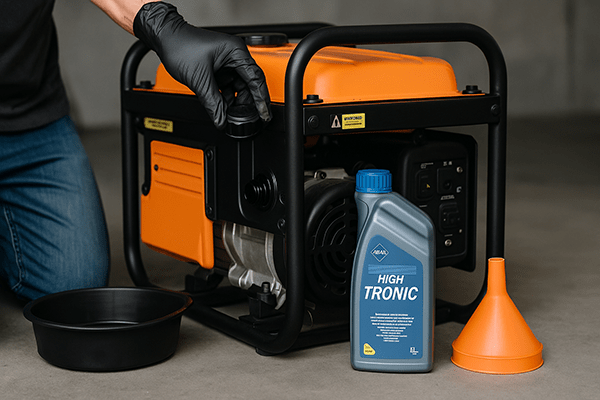
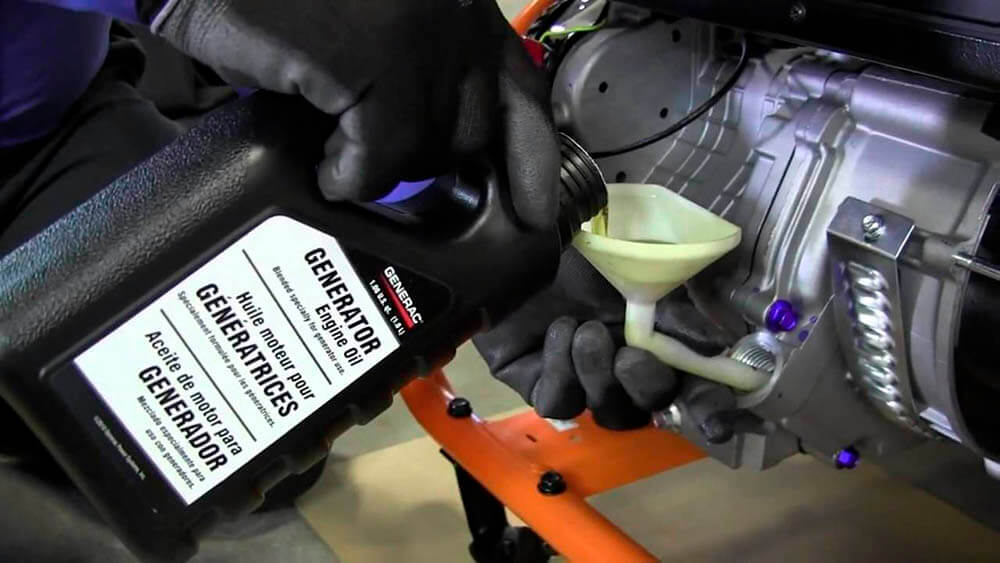
How to Properly Change Generator Oil
Step-by-step process:
Warm up the generator for 5–10 minutes.
Turn off the engine.
Drain the old oil through the drain plug.
Replace the oil filter (if applicable).
Fill with new oil to the required level.
Check the level using the dipstick.
Start the engine and ensure there are no leaks.
⚠ Important: Dispose of used oil according to environmental regulations.
Signs That Oil Needs Immediate Replacement
Darkened, thick consistency.
Metallic noise from the engine.
Overheating.
Burning smell.
Increased fuel consumption.
If these symptoms appear, do not delay maintenance.
What Happens If You Skip Oil Changes?
Accelerated piston group wear.
Engine overheating.
Seizure.
Warranty loss.
Expensive repairs or full engine replacement.
For industrial facilities, this may result in downtime, financial losses, and equipment risks.
Should You Change the Oil Yourself?
For residential models — yes, if you have basic technical skills.
For high-power diesel stations, it is better to rely on service specialists. Professional maintenance ensures:
correct oil selection,
technical condition monitoring,
wear diagnostics,
extended service life for years.
Changing oil in a generator is not a formality — it is the foundation of long-term, stable equipment performance. Replacement intervals depend on engine type and load intensity, but one rule remains constant: it is better to replace oil earlier than too late.
Proper oil + timely maintenance = ✔ stable voltage ✔ fuel efficiency ✔ long engine life ✔ no emergency shutdowns
If you plan to purchase a new generator or arrange professional servicing, it is important to choose a supplier that provides not only equipment but also full technical support.
Quality maintenance is an investment in the energy security of your home and business.
Connecting a Generator to a Heating Boiler: A Complete Practical Guide
During power outages, heating autonomy becomes critically important. Even a modern gas boiler cannot operate without electricity — the circulation pump, automation system, and control board all require stable power. Therefore, properly connecting a generator to a heating boiler is a matter of safety, comfort, and system protection. In this article, we will cover: This […]
Generator Oil Change: How Often and Which Oil to Choose
The stable operation of a generator directly depends on proper maintenance. The key element of that maintenance is timely oil replacement. Engine oil protects internal components from wear, overheating, and premature failure. In this article, we will cover: This material is useful both for homeowners and for businesses where a generator is a critical part […]
The Most Common Mistakes When Choosing a Generator
During power outages, a generator stops being an “option” and becomes a necessity. However, in practice, many buyers encounter problems after installation: unstable operation, excessive fuel consumption, overloads, or even equipment failure. The reason is simple — mistakes made at the selection stage. In this article, we will examine the most common mistakes when choosing […]




 Kyiv
Kyiv
