Which petrol to use in a generator: choosing correctly
Home >
Blog >
Which petrol to use in a generator: choosing correctly
Stable generator performance depends not only on its power or brand, but also on fuel quality. Incorrect fuel can quickly damage the engine, reduce efficiency, and increase maintenance costs. That is why choosing the right petrol is critically important both for household users and for businesses planning to buy generators for backup or continuous power supply.
In this article, we will explain which petrol is suitable for a generator, what mistakes should be avoided, and how to extend the service life of the equipment, especially when using petrol generators.
Why fuel quality is so important
A generator engine operates under stable load conditions, and any deviation in fuel quality immediately affects its performance. Low-quality petrol leads to:
carbon deposits in the combustion chamber;
difficult engine starting;
increased fuel consumption;
overheating and unstable operation;
reduced engine lifespan.
This is especially critical for users planning to generators buy for regular use rather than just as an emergency power source.
What petrol is recommended for generators
Most manufacturers of petrol generators recommend using unleaded petrol with a specific octane rating.
The most common options are:
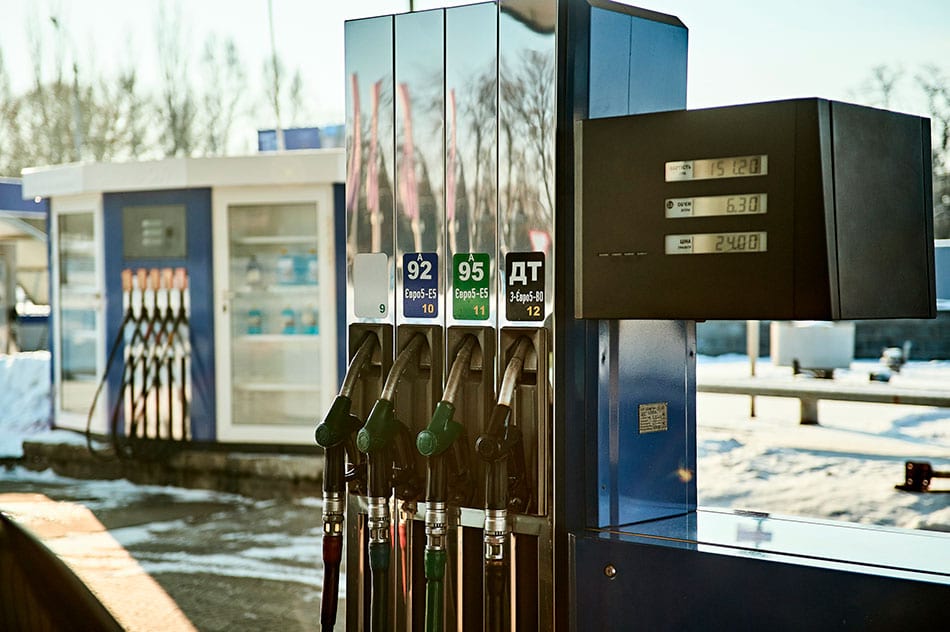
A-92 — a basic option allowed for many models;
A-95 — the optimal choice for stable operation and cleaner combustion.
In modern generator models, A-95 is often preferred because it ensures smoother engine performance and fewer deposits.
It is important to understand that using higher octane fuel than required does not increase power output, so you should always follow the manufacturer’s manual for your specific model.
Most common mistakes when refueling a generator
Even a high-quality generator can fail quickly due to improper use. The most common mistakes include:
using old or expired petrol;
mixing different fuel types;
refueling while the engine is running;
using fuel with unknown additives or contamination;
storing fuel in dirty containers.
Such actions lead to unstable engine operation and costly repairs.
How to properly store petrol
Fuel quality naturally deteriorates over time. After 2–3 months of storage without stabilizers, petrol may lose its properties.
To avoid problems, it is recommended to:
store fuel in sealed containers;
avoid direct sunlight exposure;
prevent strong temperature fluctuations;
use fuel stabilizers for long-term storage;
regularly refresh fuel supplies.
This is especially important for users of petrol generators that operate as backup systems and are not started daily.
How fuel affects generator performance
Fuel quality directly impacts all key performance parameters:
voltage stability;
ease of starting;
fuel consumption;
noise and vibration levels;
overall engine efficiency.
Bad gasoline can cause malfunctions even in new generator models that were chosen for home or business.
What to know before buying a generator
If you are planning to buy generator, it is important to consider not only power output but also fuel requirements. This helps avoid unnecessary costs in the future.
Pay attention to:
engine type;
recommended octane rating;
fuel consumption;
fuel tank capacity;
maintenance frequency.
These factors directly affect long-term operating comfort.
Practical user tips
To ensure long and stable generator operation, follow these simple rules:
always use fresh fuel;
do not leave petrol in the tank for long periods unnecessarily;
run the generator under load regularly;
clean the fuel system during maintenance;
do not compromise on fuel quality.
These simple steps significantly extend equipment lifespan.
Choosing the right petrol is the foundation of reliable generator operation. Whether you use equipment at home, in business, or are planning to buy generator, fuel quality directly affects reliability and durability.
Petrol generators require careful attention to fuel, as it determines starting stability, efficiency, and engine service life. Using high-quality petrol and following basic operating rules helps avoid most problems and ensures uninterrupted performance in any conditions.
How to choose a reliable generator supplier in Ukraine
When electricity is essential for the uninterrupted operation of a business, production facility, office, or private home, a generator becomes more than just additional equipment — it becomes part of the power supply system. The reliability of the generator affects equipment operation, product safety, people’s comfort, and even the safety of certain processes. However, choosing […]
Generator for a farm: key selection considerations
For a farm, electricity is not just a matter of comfort but an essential condition for stable operations. Pumps, ventilation systems, refrigeration equipment, lighting, automation systems, grain dryers, and other machinery can operate only with a reliable power supply. A prolonged power outage can disrupt production processes, lead to product spoilage, and cause financial losses. […]
How to choose a generator for a private house with solar panels
Solar panels allow a private house to partially or fully cover its electricity needs without constant dependence on the grid. However, even a well-designed solar power system has its limitations. At night, there is no solar generation, panel output decreases in cloudy weather, and in winter, daylight hours are significantly shorter. If electricity is needed […]



 Kyiv
Kyiv
