Automatic Transfer Switch
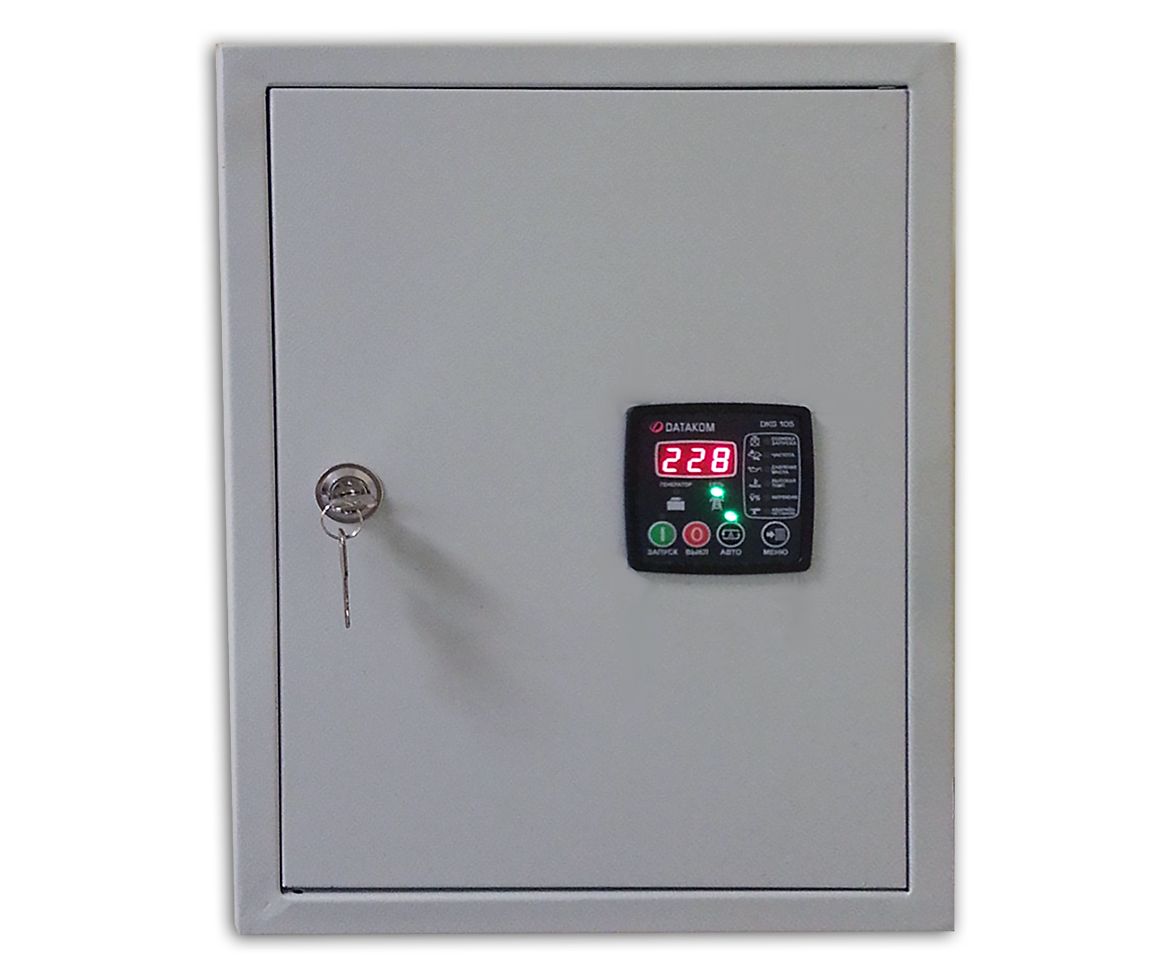
ATS (Automatic Transfer Switch) is a system that automatically switches the load to a backup power source when the main power source fails. Typically, the backup source is a diesel, gas, or gasoline generator, while the main power source is the centralized electrical grid.
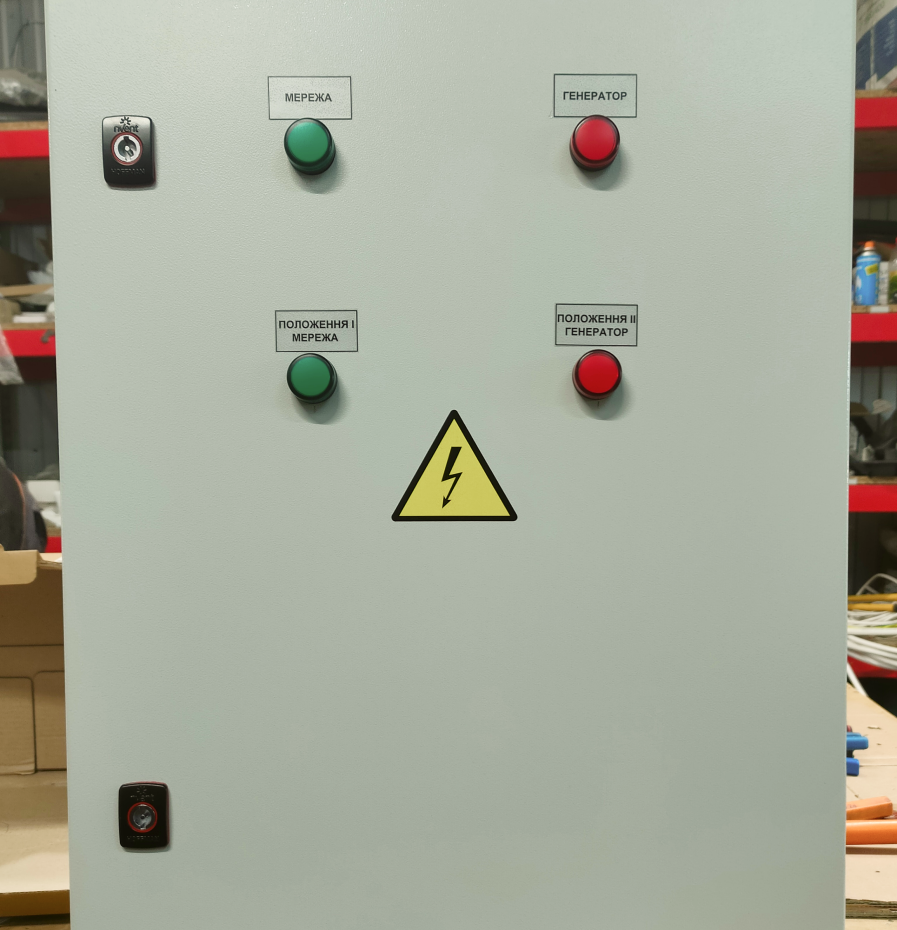
An ATS cabinet is a separate electrical module that is manufactured taking into account:
1. the power of the power plant it will work with,
2. the speed of switching to backup power,
3. the required degree of power plant automation,
4. remote control capabilities,
5. individual technical features of the facility.
Operating principle of the ATS cabinet:
Network Monitoring The cabinet continuously monitors the state of the main network: voltage presence, frequency, and phase.
Fault Detection When voltage disappears or drops below acceptable values, the ATS commands the diesel generator to start.
Load Transfer After the generator starts and voltage parameters stabilize, the ATS automatically switches the load to backup power.
Return to Main Source When main power is restored, the ATS cabinet switches the load back after a certain time interval and stops the generator.
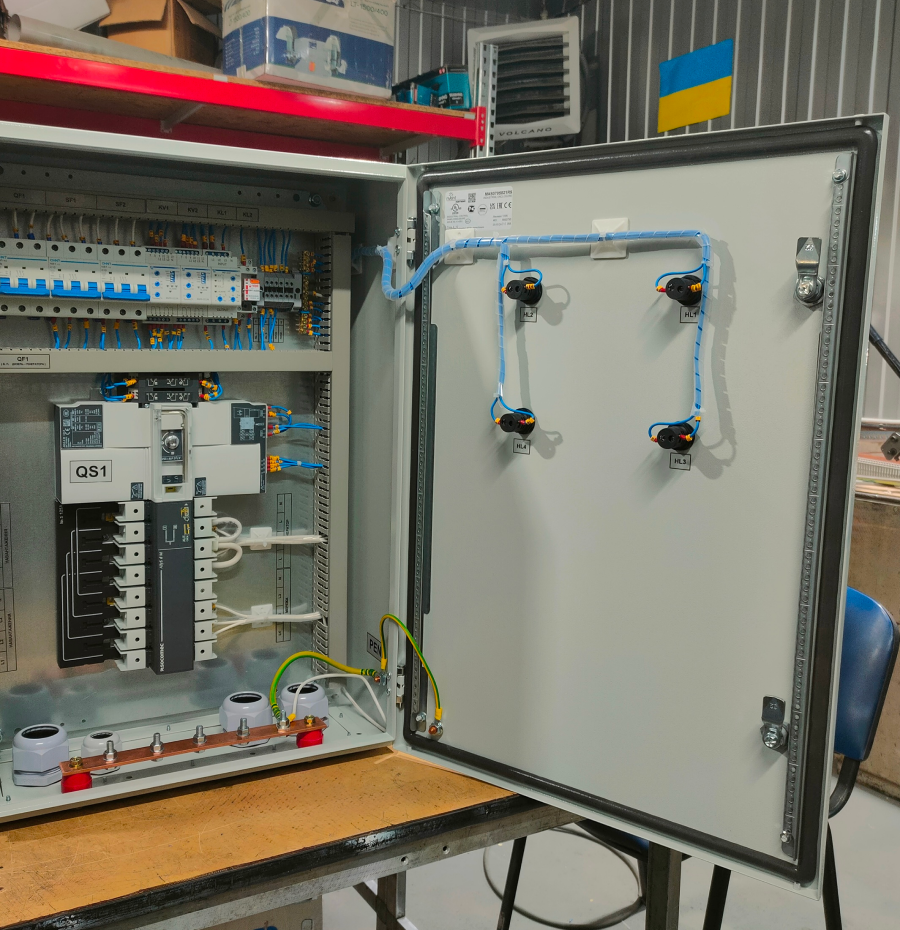
Basic structure of the ATS unit:
- logical part – relays, controller, device control panels, indication panels;
- communication part;
- external housing.
Types of ATS:
- Basic – provides only automatic start and stop of the power plant.
- ATS with remote control module – allows generator control via GSM, Ethernet, Wi-Fi and receiving status reports on smartphone or PC.
Advantages of using diesel generators with ATS:
- ensuring continuity of production, business and other processes;
- maintaining equipment operability and finished product quality;
- independence from power plant operator presence.
Examples of enterprises that order diesel generators with ATS from us:
- medical facilities – for medical equipment, a power plant with ATS is simply a “must have”,
- manufacturing facilities where sudden work stoppage leads to equipment destruction and finished product loss,
- facilities where constant operation of security systems, including fire safety, is critically important,
- organizations with equipment sensitive to voltage fluctuations (communications, computer networks, etc.),
- enterprises and systems of Ukraine’s Defense and Security Forces,
- and all those who don’t want to start the generator manually in the rain, wind, and in the middle of the night))
ATS cabinets from “DAREKS TRADING SOLUTIONS” are:
- development – by designers with more than 20 years of experience,
- manufacturing – in compliance with electrical installation regulations (PUE),
- installation – at the customer’s facility by our own installation service,
And most importantly – precise timing adjustment for generator startup considering engine warm-up and cool-down time, which helps extend its service life.
Share 
you may also be interested in



 Kyiv
Kyiv
