Home >
Blog >
Automatic generator start system: operating principle
Modern realities make electricity a critically important resource both for industry and everyday life. Enterprises cannot afford equipment downtime, and homeowners strive for comfort without interruptions in power supply. That is why automatic generator start systems are becoming increasingly popular — they allow the backup power process to be fully automated. Such systems can be used both in large industrial generators and in compact home generators.
What is an automatic generator start system
An automatic start is a set of electronic and electromechanical devices that monitor the condition of the power grid and control the operation of the generator engine. The main task of the system is to ensure automatic activation of the generator when voltage disappears in the main grid and its shutdown after power is restored. In other words, the user does not need to manually start the unit, switch breakers, or monitor the station’s operation — everything happens automatically.
Main components of the automatic start system
The operating principle of the automatic start system can be described step by step. The first element is the controller — the “brain” of the system. It constantly monitors grid parameters: voltage presence, its level, and frequency.
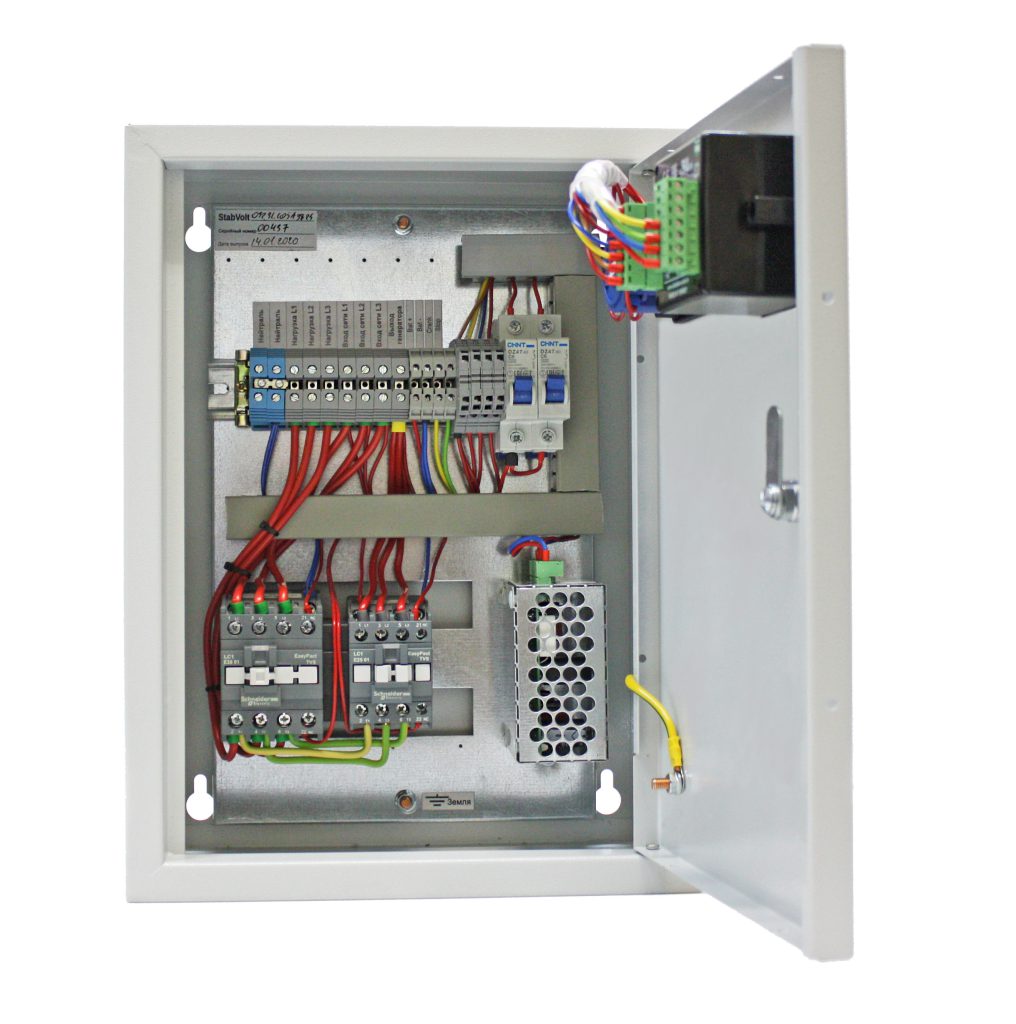
The system also includes:
starter and battery,
control relays,
safety sensors,
automatic transfer switch (ATS).
All these components work together to ensure uninterrupted power supply to consumers.
How the generator’s automatic start works step by step
When an emergency power outage occurs or voltage becomes critically low, the controller sends a signal to start the generator engine. The starter is then activated, rotating the crankshaft of the internal combustion engine. If the start is successful, the controller checks the stability of the engine speed and output voltage parameters.
Switching the load to backup power
The next stage is automatic load transfer. For this purpose, an ATS (automatic transfer switch) is used. It disconnects the building or facility from the main grid and connects it to the generator. The switching occurs with a short delay — this protects equipment from voltage spikes and short circuits. The user often hardly notices the transition; only a brief flicker of lights may indicate activation of backup power.
Shutting down the generator after power is restored
When voltage in the main grid is restored, the system operates in reverse. The controller detects stable parameters, switches the load back to the main supply, and the generator engine shuts down. In powerful models, a brief idle run is provided to cool the engine — this is especially important for industrial generators.
Additional features of modern automatic start systems
The automatic start system may include additional functions:
monitoring of fuel and oil levels,
engine temperature control,
operating hours counter,
fault alerts,
remote monitoring and control.
It can also block startup in case of critical errors, protecting the equipment from damage.
Where automatic start systems are used
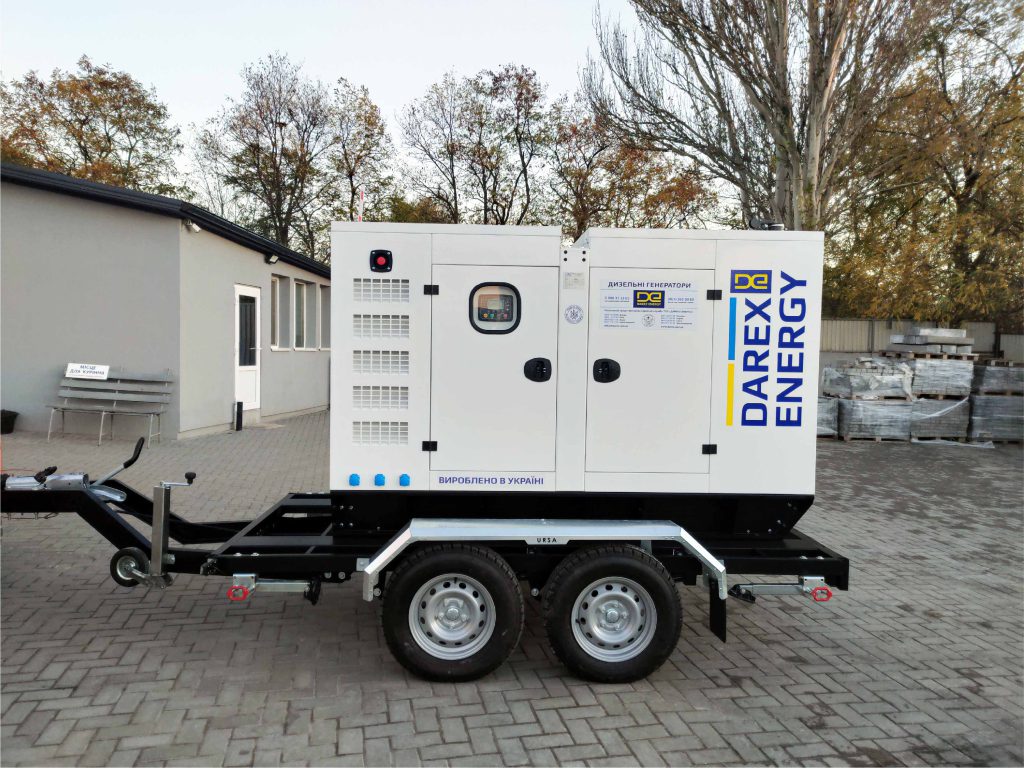
Automatic start is especially important where power outages may lead to serious losses — in hospitals, industrial facilities, and server rooms. Here, industrial generators with automatic control ensure continuity of technological processes.
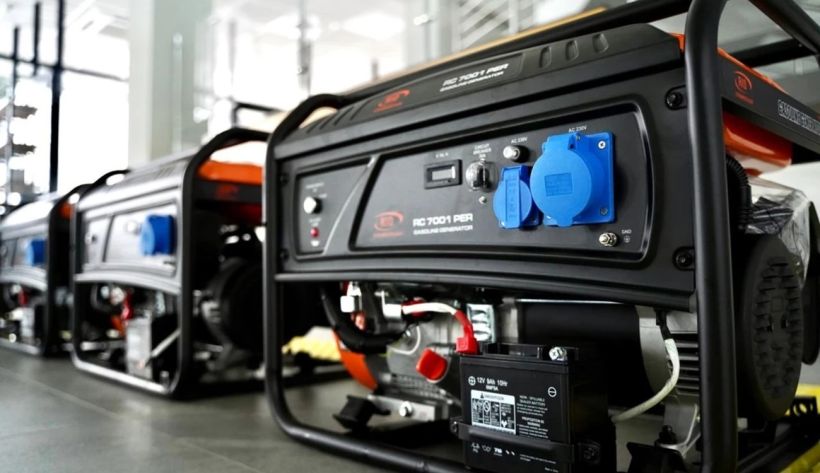
This system is also very useful in everyday life. Home generators with automatic start support the operation of boilers, pumps, refrigerators, and security systems, allowing owners not to worry about unexpected power outages.
The automatic generator start system is an important element of modern energy security. It combines electronics, automation, and mechanics, ensuring a fast and reliable switch to backup power. Thanks to such technologies, both industrial generators and home generators become as efficient, safe, and easy to use as possible.
Connecting a Generator to a Heating Boiler: A Complete Practical Guide
During power outages, heating autonomy becomes critically important. Even a modern gas boiler cannot operate without electricity — the circulation pump, automation system, and control board all require stable power. Therefore, properly connecting a generator to a heating boiler is a matter of safety, comfort, and system protection. In this article, we will cover: This […]
Generator Oil Change: How Often and Which Oil to Choose
The stable operation of a generator directly depends on proper maintenance. The key element of that maintenance is timely oil replacement. Engine oil protects internal components from wear, overheating, and premature failure. In this article, we will cover: This material is useful both for homeowners and for businesses where a generator is a critical part […]
The Most Common Mistakes When Choosing a Generator
During power outages, a generator stops being an “option” and becomes a necessity. However, in practice, many buyers encounter problems after installation: unstable operation, excessive fuel consumption, overloads, or even equipment failure. The reason is simple — mistakes made at the selection stage. In this article, we will examine the most common mistakes when choosing […]




 Kyiv
Kyiv
